
'%3e%3cpath%20fill-rule='evenodd'%20clip-rule='evenodd'%20d='M6%200C10.4183%200%2014%203.58171%2014%207.99999V14.0003C14%2018.4186%2017.5817%2022.0003%2022%2022.0003H122C126.418%2022.0003%20130%2018.4186%20130%2014.0003V8C130%203.58172%20133.582%200%20138%200H6Z'%20fill='%23EDF2E7'/%3e%3c/g%3e%3cdefs%3e%3cfilter%20id='filter0_d_12223_4749'%20x='0'%20y='0'%20width='144'%20height='36'%20filterUnits='userSpaceOnUse'%20color-interpolation-filters='sRGB'%3e%3cfeFlood%20flood-opacity='0'%20result='BackgroundImageFix'/%3e%3cfeColorMatrix%20in='SourceAlpha'%20type='matrix'%20values='0%200%200%200%200%200%200%200%200%200%200%200%200%200%200%200%200%200%20127%200'%20result='hardAlpha'/%3e%3cfeOffset%20dy='8'/%3e%3cfeGaussianBlur%20stdDeviation='3'/%3e%3cfeComposite%20in2='hardAlpha'%20operator='out'/%3e%3cfeColorMatrix%20type='matrix'%20values='0%200%200%200%200.356863%200%200%200%200%200.427451%200%200%200%200%200.270588%200%200%200%200.7%200'/%3e%3cfeBlend%20mode='normal'%20in2='BackgroundImageFix'%20result='effect1_dropShadow_12223_4749'/%3e%3cfeBlend%20mode='normal'%20in='SourceGraphic'%20in2='effect1_dropShadow_12223_4749'%20result='shape'/%3e%3c/filter%3e%3c/defs%3e%3c/svg%3e)
Ancient Wisdom, Modern Health
Diving into the science behind avoiding meals after dusk, celebrity nutritionist Ryan Fernando emphasizes a return to ancestral wisdom. He points out that
for millennia, humans abstained from eating after sundown primarily due to safety concerns, avoiding the risks associated with nocturnal hunting. This natural inclination to cease food intake with the setting sun meant that calorie-dense meals, particularly carbohydrates, were not consumed late into the night. Fernando contrasts this with our modern, often sedentary, 'desk jockey' lifestyles. He argues that while our habits have evolved to be less physically demanding than those of our grandparents, who might have engaged in more manual labor, our dietary patterns haven't always adapted accordingly. Consequently, for individuals with desk-bound jobs, the focus should shift towards nutrient-rich vegetables and moderate protein intake, rather than heavy evening meals. This approach aims to harmonize our eating habits with our actual energy expenditure and evolutionary predispositions, preventing metabolic disruptions.
Circadian Rhythm Disruption
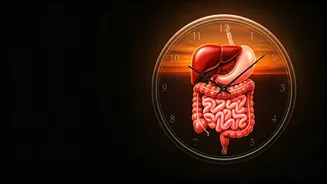
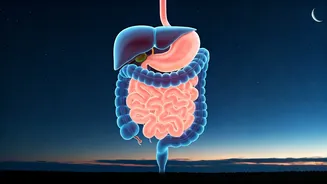
Consultant dietitian Kanikka Malhotra elaborates on the physiological consequences of consuming food late in the evening. She explains that eating after sunset significantly disrupts the body's crucial circadian rhythm, the internal biological clock that governs a multitude of physiological functions, including digestion and metabolism. When we eat during our body's natural resting period, this rhythm is thrown off balance, leading to a cascade of negative effects. Digestion slows down considerably, increasing the likelihood of discomfort and indigestion. Furthermore, Malhotra highlights that late-night eating can result in elevated gastric acid secretion, contributing to issues like acid reflux, and impairs the body's ability to manage glucose effectively. This misalignment with our natural biological clock is a key factor in why evening meals can be detrimental to our health.
Metabolic Health Risks
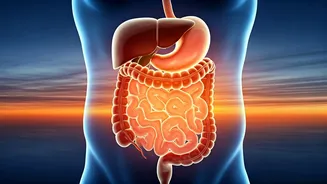
The implications of late-night eating extend directly to increased risks of developing chronic metabolic disorders. Malhotra points out that consuming food in the later hours is strongly linked to elevated postprandial blood glucose levels, meaning blood sugar remains higher for longer periods after a meal. Simultaneously, it leads to reduced insulin sensitivity, making it harder for the body to utilize glucose efficiently. These two factors combined create a metabolic environment that significantly predisposes individuals to serious health conditions. Obesity, type 2 diabetes, and cardiovascular diseases are among the primary health concerns associated with consistently eating late. The extended period of digestion during sleep can also exacerbate issues like acid reflux and general discomfort, ultimately compromising the quality of rest one receives.
Benefits of Early Dining
Conversely, embracing an earlier dinner timing offers substantial health advantages, according to Malhotra. When meals are consumed before sunset, the body is better positioned to engage in essential metabolic processes like lipolysis, the breakdown of fats for energy, and fat oxidation. This naturally facilitates more effective weight management and optimizes the body's utilization of energy throughout the day and night. An early dinner, ideally concluded at least 3 to 4 hours before bedtime, plays a critical role in promoting hormonal balance and aligning with the body's circadian rhythm. This strategic eating window not only enhances nutrient absorption but also minimizes the disruptive late-night insulin spikes, thereby reducing the risk of unwanted fat accumulation and supporting long-term metabolic health.