Ancient Wisdom, Modern Relevance
Our ancestors, driven by survival instincts, naturally avoided eating after dusk due to safety concerns, a stark contrast to our modern, sedentary lifestyles.
Celebrity nutritionist Ryan Fernando emphasizes this historical context, suggesting that our current eating habits, often involving significant carb intake late in the day, are misaligned with our bodies' needs. He advocates for a dietary shift towards more vegetables and protein, particularly for those with desk-bound jobs, highlighting that our energy expenditure and requirements are vastly different from those of our grandparents who engaged in more physically demanding labor. This ancient pattern of eating only during daylight hours served a fundamental purpose, and its neglect in contemporary society may be contributing to widespread health concerns.
Circadian Rhythm Disruption
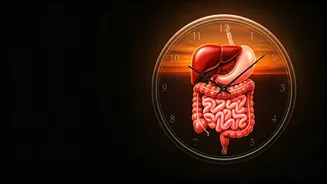
Consuming food after sunset can profoundly disrupt the body's intricate metabolic and digestive operations, primarily because it clashes with our internal biological clock, known as the circadian rhythm. This crucial regulator governs numerous physiological functions, including sleep-wake cycles and hormone release. When we eat late, we interfere with this natural rhythm, leading to a cascade of negative effects. Digestion slows down considerably, the production of gastric acid can increase unnaturally, and the body's ability to metabolize glucose becomes impaired. This misalignment can set the stage for various health complications over time, as the body struggles to process nutrients outside of its optimized operational window.
Metabolic Health Risks
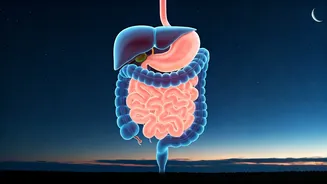
The act of late-evening eating is strongly associated with elevated blood sugar levels following meals and a diminished sensitivity to insulin. These metabolic disturbances are significant risk factors that can predispose individuals to developing chronic conditions such as obesity, type 2 diabetes, and cardiovascular disease. When the body is constantly challenged to manage blood glucose spikes late at night, it can lead to insulin resistance, a precursor to these serious ailments. Furthermore, an extended period of digestion extending into sleep can exacerbate issues like acid reflux and cause general discomfort, ultimately compromising the quality and restorative nature of sleep.
Benefits of Early Dining
Conversely, adopting an early dinner timing, ideally concluding three to four hours before bedtime, offers substantial health advantages. This practice actively supports crucial bodily processes like lipolysis (the breakdown of fats) and fat oxidation, which are essential for effective weight management and efficient energy utilization. By finishing meals well before sleep, we optimize hormonal balance, promote better alignment with our circadian rhythms, and enhance the body's capacity for nutrient absorption. This strategic eating window helps minimize late-night insulin surges, thereby reducing the likelihood of fat accumulation and contributing to long-term metabolic health and overall vitality.