
'%3e%3cpath%20fill-rule='evenodd'%20clip-rule='evenodd'%20d='M6%200C10.4183%200%2014%203.58171%2014%207.99999V14.0003C14%2018.4186%2017.5817%2022.0003%2022%2022.0003H122C126.418%2022.0003%20130%2018.4186%20130%2014.0003V8C130%203.58172%20133.582%200%20138%200H6Z'%20fill='%23EDF2E7'/%3e%3c/g%3e%3cdefs%3e%3cfilter%20id='filter0_d_12223_4749'%20x='0'%20y='0'%20width='144'%20height='36'%20filterUnits='userSpaceOnUse'%20color-interpolation-filters='sRGB'%3e%3cfeFlood%20flood-opacity='0'%20result='BackgroundImageFix'/%3e%3cfeColorMatrix%20in='SourceAlpha'%20type='matrix'%20values='0%200%200%200%200%200%200%200%200%200%200%200%200%200%200%200%200%200%20127%200'%20result='hardAlpha'/%3e%3cfeOffset%20dy='8'/%3e%3cfeGaussianBlur%20stdDeviation='3'/%3e%3cfeComposite%20in2='hardAlpha'%20operator='out'/%3e%3cfeColorMatrix%20type='matrix'%20values='0%200%200%200%200.356863%200%200%200%200%200.427451%200%200%200%200%200.270588%200%200%200%200.7%200'/%3e%3cfeBlend%20mode='normal'%20in2='BackgroundImageFix'%20result='effect1_dropShadow_12223_4749'/%3e%3cfeBlend%20mode='normal'%20in='SourceGraphic'%20in2='effect1_dropShadow_12223_4749'%20result='shape'/%3e%3c/filter%3e%3c/defs%3e%3c/svg%3e)
Pasta's Nutritional Core
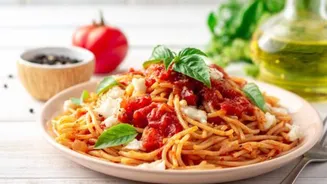
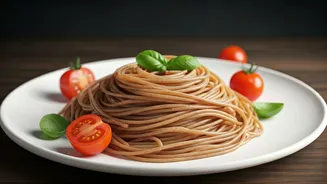
Pasta, a beloved culinary staple, is primarily a source of vital carbohydrates, providing the body with essential energy to fuel daily activities. Beyond
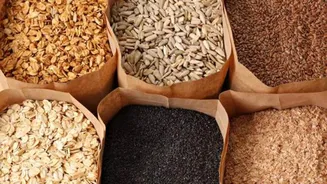
its energetic contribution, it also offers a modest amount of protein and is inherently low in fat, making it a favorable choice for those mindful of fat intake. Opting for whole grain varieties significantly boosts its fiber content. This increased fiber aids in promoting a healthy digestive system and contributes to a prolonged feeling of satiety, helping to curb overeating. Understanding these fundamental nutritional aspects allows for more informed decisions about its place in a diet, dispelling the automatic association with weight gain.
Mastering Portion Sizes
The secret to enjoying pasta without undesirable weight gain lies fundamentally in the practice of portion control. Consuming excessive amounts of any food, regardless of its nutritional value, can invariably lead to an intake of calories exceeding the body's needs. A standard serving of cooked pasta is typically around one cup, which contains approximately 200 calories. Diligently monitoring and adhering to these recommended serving sizes is crucial for integrating pasta into a well-rounded dietary regimen, enabling you to savor it without accumulating excess body weight.
Blood Sugar Dynamics
Pasta's influence on your blood sugar levels is notably contingent on how it's prepared and the accompaniments it's served with. Pasta cooked to an 'al dente' (firm to the bite) texture possesses a lower glycemic index compared to overcooked pasta. This means it causes a more gradual and sustained rise in blood sugar. Furthermore, combining pasta with protein-rich foods, such as lean meats or fish, and a generous serving of vegetables can significantly slow down the digestive process. This thoughtful pairing promotes greater stability in blood sugar levels, making the meal a healthier and more balanced choice.
Holistic Diet Integration
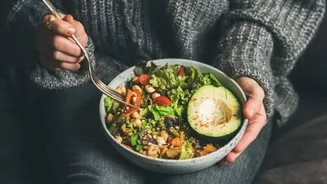
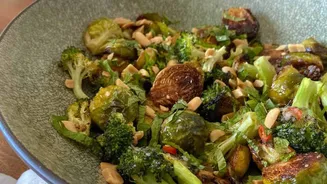
Effectively incorporating pasta into your overall diet can yield significant health benefits and support successful weight management goals. The key lies in creating meals that are both nutritious and deeply satisfying by pairing pasta with an abundance of colorful vegetables, lean protein sources, and healthy fats. This comprehensive dietary strategy not only ensures you receive a wide spectrum of essential nutrients but also helps maintain consistent energy levels throughout the day, effectively mitigating the risk of any unwelcome weight fluctuations.