
Understanding Your Oil Limit
It's crucial to be mindful of the quantity of oil we incorporate into our daily meals, as it often goes unnoticed. Noted liver expert Dr. Shiv Sarin, in a recent
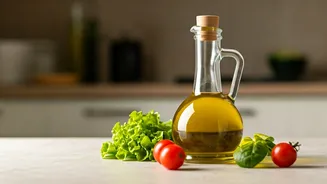
FSSAI video, shed light on this often-overlooked aspect of healthy eating. He emphasized that our daily oil intake should ideally not exceed 20% of our total calorie consumption for the day. This guideline serves as a vital benchmark for maintaining a balanced diet. Many individuals unknowingly consume significantly more oil than this recommended limit, often around 5 to 6 spoonfuls daily, which can have implications for overall health. This highlights the importance of paying close attention to every drop of oil used in cooking, from the initial tempering to final preparations. Being aware of this percentage helps in making conscious choices about our food preparation and consumption habits, fostering a healthier approach to eating.
Visible vs. Hidden Fats
Dr. Sarin further elaborated on the distinction between visible and hidden fats, a key factor in understanding excess oil consumption. Visible fats are those we consciously add during cooking, such as pouring oil into a pan to sauté vegetables or preparing a paratha. Hidden fats, on the other hand, are present in pre-packaged foods, processed items, and even in ingredients that might not immediately strike us as oily. Both contribute to our overall daily fat intake, and it's often the accumulation of these hidden sources that pushes our consumption beyond the recommended 20% threshold. For instance, a seemingly simple meal might contain added fats from sauces, marinades, or even the ingredients themselves, making it challenging to track without careful attention. The less extra oil we add, the more beneficial our meals become, a simple yet powerful principle to embrace for better well-being. This distinction underscores the need for a holistic view of our diet, accounting for all fat sources.
Beneficial Natural Oils
While mindful reduction of added oils is essential, it's also important to acknowledge that not all fats are detrimental. Dr. Sarin pointed out that certain foods, like nuts such as peanuts, almonds, and walnuts, naturally contain oils that are actually beneficial for our bodies. These natural oils are packed with essential nutrients and can play a positive role in maintaining good health. Walnuts, in particular, were highlighted for their rich content of omega-3 fatty acids, which are known to support brain health and reduce inflammation. This is a crucial distinction, as it encourages a balanced perspective on fat intake. Instead of completely eliminating fats, the focus should be on choosing healthier sources and consuming them in moderation. This understanding helps debunk the myth that all oil is bad, guiding us towards incorporating nutrient-dense foods that provide valuable fats without compromising health goals.
Shifting Indian Food Habits
A deeply ingrained belief in Indian culinary traditions often leads to excessive oil usage, particularly with beloved dishes like parathas. Dr. Sarin addressed this common misconception, noting that many people associate a dish's quality with the amount of ghee or oil used. The idea that a paratha requires four spoonfuls of ghee to be considered 'good' is a mindset that needs a significant shift. This perspective often stems from generations of cooking practices and a desire for rich, indulgent flavors. However, this traditional view can lead to unknowingly exceeding recommended fat intake. It's essential to recognize that delicious and satisfying meals can be prepared with less oil, focusing instead on spices, herbs, and cooking techniques that enhance flavor without adding excessive fats. Embracing this change in perspective is vital for promoting healthier eating habits across Indian households.
Flavorful Oil-Free Recipes
For those inspired to reduce their oil consumption, a variety of delicious and healthy oil-free recipes are available. These dishes prove that flavor doesn't need to be sacrificed for lower fat content. For instance, a classic Chicken Masala can be prepared by slow-cooking chicken with aromatic spices, achieving a rich desi taste without any added oil. Similarly, a Fish Curry can be made by simmering fish in a tangy, spice-infused gravy, allowing the natural flavors of the ingredients to shine. For a creamy, dairy-free option, Tofu and Cashew Mayonnaise offers a smooth, indulgent spread perfect for sandwiches and dips. A lighter version of Murgh Malaiwala can be achieved using yogurt and spices, maintaining its soft texture and rich flavor without heavy oil. Finally, a Kanyakumari Fish Curry, inspired by coastal traditions, uses tamarind and fresh ingredients for a vibrant, aromatic dish that is both light and satisfying. These recipes demonstrate that healthier eating can be both accessible and incredibly tasty.