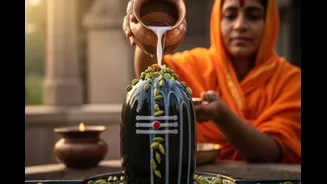
Sacred on the Plate: How to Create a Meaningful Satvik Meal This Maha Shivratri!
Maha Shivratri is not just about fasting, it is about conscious living.
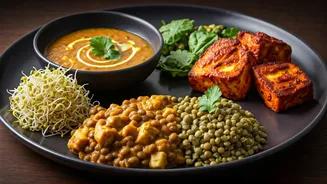
On this sacred night dedicated to Lord Shiva, food takes on a deeper meaning. A satvik meal is not designed to impress the palate, but to calm the senses, support meditation, and honour the spiritual discipline of the day.
Across Indian homes, Maha Shivratri cooking follows an unspoken philosophy: less spice, more intention. Whether you are observing a full fast or planning a simple vrat-friendly meal, preparing satvik food can be both easy and deeply fulfilling.
What Makes Food Satvik?
In Ayurveda, satvik food is believed to promote clarity, balance, and inner peace. It avoids ingredients that overstimulate the body or mind.
Typically, satvik meals:
- Exclude onion, garlic, and strong spices
- Avoid grains (for those observing a strict vrat)
- Use natural, fresh, and seasonal ingredients
- Are cooked with minimal oil and gentle heat
On Maha Shivratri, satvik food supports the spiritual goal of the day, stilling the mind and honouring Shiva.
Planning Your Satvik Feast: Keep It Simple
A common misconception is that satvik food is bland or restrictive. In reality, it celebrates natural flavours and textures.
Before you start cooking, ask yourself:
- Can this dish feel light yet nourishing?
- Does it use fresh, unprocessed ingredients?
- Is it made with patience rather than rush?
A peaceful mindset while cooking is as important as the recipe itself.
Essential Ingredients for a Shivratri Satvik Kitchen
Stocking the right ingredients makes preparation effortless:
- Sabudana (sago pearls)
- Kuttu (buckwheat) flour
- Singhara (water chestnut) flour
- Rock salt (sendha namak)
- Peanuts, coconut, sesame seeds
- Milk, curd, paneer
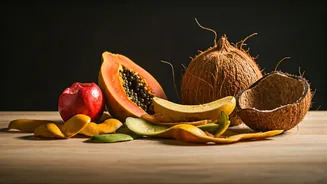
- Fruits like banana, apple, papaya
These ingredients form the base of most vrat-friendly meals across India.
Easy Satvik Dishes to Prepare
You don’t need a long menu, just thoughtful choices.
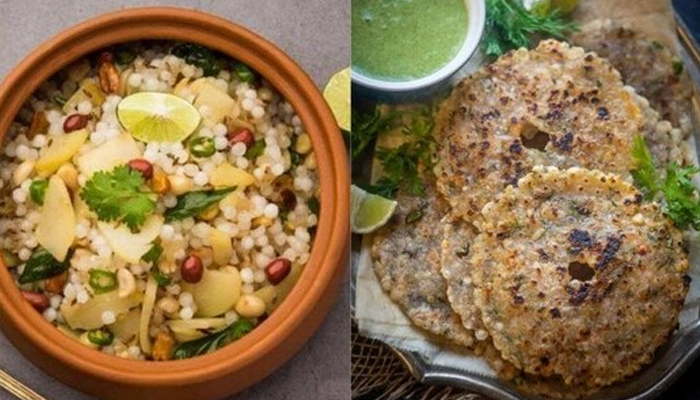
Sabudana Khichdi
Light, filling, and comforting, sabudana khichdi is a fasting favourite. When cooked slowly with soaked sabudana, crushed peanuts, and mild tempering, it becomes a balanced one-dish meal.
Kuttu Pooris or Rotis
Made from buckwheat flour, these are gluten-free and energy-rich. Pair them with curd or a mild potato preparation for a complete meal.
Aloo Vrat Curry
Potatoes cooked with cumin, ginger, and rock salt offer warmth without heaviness. Avoid excess spice to keep the dish satvik.
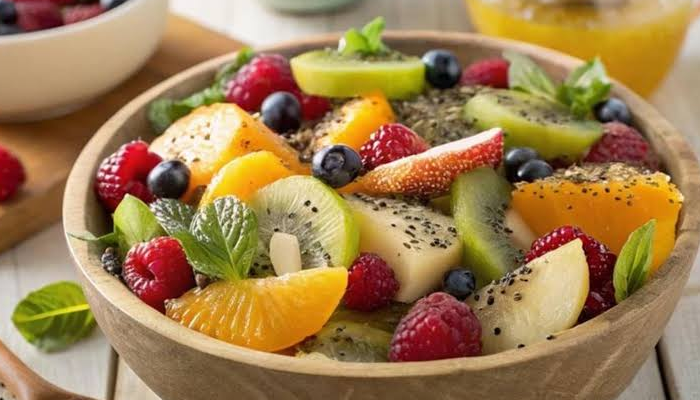
Fruit Chaat with a Devotional Twist
Fresh fruits mixed with coconut shavings, soaked raisins, and a drizzle of honey create a natural dessert that feels indulgent yet pure.
- Satvik Sweets Without Sugar Overload
- Sweet dishes are often offered as prasad on Maha Shivratri. Keep them light:
- Kheer made with milk and jaggery
- Coconut laddoos with minimal sweetener
- Dates and nuts ladoos
These sweets provide energy without disrupting the calmness of fasting.
Cooking as a Form of Worship
In many households, the kitchen becomes an extension of the prayer room on Maha Shivratri. Cooking in silence, chanting softly, or simply being mindful while stirring can turn food preparation into an act of devotion.
Tradition says that food cooked with a restless or irritated mind loses its spiritual essence. So slow down, Shiva appreciates stillness.
Eating the Satvik Way
How you eat matters just as much:
- Eat slowly and without distractions
- Avoid overeating, even if fasting ends
- Treat the meal as prasad, not indulgence
This approach aligns the body with the spiritual energy of the night.
A satvik feast on Maha Shivratri is not about elaborate spreads or social media aesthetics. It is about purity, balance, and intention.
When food is prepared with care and consumed with awareness, it nourishes not just the body, but the mind and spirit, exactly the way Lord Shiva’s night is meant to be observed.