Pulses are important in a healthy diet, especially among vegetarians and in the Indian diet. World Pulses Day on February 10 focuses on their health values. Let us find out their importance, the Ayurvedic
suggestions for cooking them, and Patanjali pulses to use.
Importance of Pulses in Diet
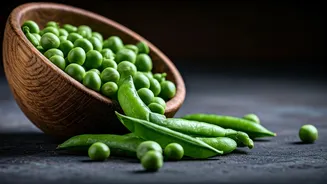
Pulses include beans, lentils, chickpeas, and peas, and are good for the heart due to high fibre, potassium, and folate that reduce bad cholesterol. Blood sugar is controlled with regular eating of pulses, as it gets digested slowly. The high fibre means good digestion. The fibre with protein helps with appetite control, resulting in weight monitoring.
Pulses are high in iron, magnesium, zinc, potassium, and Vitamin Bs. In Ayurveda, pulses or Shimbi Dhanya balance the Kapha and Pitta Doshas. Always consume them for lunch due to the strong Agni or digestive fires. Overconsumption causes dryness or constipation. Let us shift to the tips on preparing these pulses and related Patanjali offerings.
Ayurvedic Tips While Cooking Pulses
1. Moong Dal (Green or Yellow Gram): This Sattvic legume cooks the quickest and balances the three Doshas. Eat it to detoxify and improve digestion. To cook, cleanse it in water three to four times, soak to quicken the cooking time and easy digestion, and cook for 25 to 30 minutes. Patanjali Unpolished Moong Dal Chilka (500 Gms and 1 Kg) and Patanjali Unpolished Moong Dal Dhuli (500 Gms and 1 Kg) are the unpolished options with nutrients.
2. Toor Dal (Pigeon Peas or Arhar): This popular, easily digestible, and high-protein legume builds tissues and energy levels, and balances Kapha and Pitta Doshas. Soak it for at least an hour or two and rinse it a few times before cooking. Do not overeat to avoid bloating. Those with kidney issues should have less. Choose Patanjali Unpolished Arhar Dal (500 Ml and 1 Kg) for being unpolished, high in protein, and other healthy properties.
3.Urad Dal (Black Gram or Split White Lentil): Best used in making dal makhani, idlis and dosas, this dal is high in protein, fibre, magnesium, iron, and potassium. It boosts heart health, boosts energy levels and digestion, controls blood pressure, and supports bones. Cooking the whole thing requires soaking for at least seven to eight hours or overnight. Rinse well to remove starch. Patanjali Unpolished Urad Whole (500 Ml and 1 Kg) and Patanjali Unpolished Urad Chilka (500 Ml and 1 Kg) are nutrient-rich, unpolished, hence natural, and flavourful.
4.Rajma (Kidney Beans): Rajma popular in Northern India. High in fibre, magnesium, antioxidants, iron, and protein, they support digestion, blood sugar control, lower cholesterol and heart health. Soak it for eight to 10 hours or overnight to ease the cooking time. Cook them in a pressure cooker and wait for four to six whistles to blow. It can cause gas, indigestion, and acidity if eaten at night. For unpolished options with great flavours and nutritional value, choose Patanjali Unpolished Rajma (Chitra) (500 Gms and 1 Kg) and Patanjali Unpolished Rajma (Sharmili) (500 Gms and 1 Kg).
5.Chana Dal (Bengal Gram): A popular lentil filled with nutrients like iron, protein, and fibre, it also helps to recuperate muscles after a workout. For good consistency or easy cooking, soak it for around 30 minutes to an hour in warm water. Consume it during the lunch hour for absorbing the nutrients and maintain the energy levels all day. For dinner, eat it three hours before sleeping. Patanjali Unpolished Chana Dal (500 Gms and 1 Kg) is high in nutrition, tastier and more natural than the polished options, and lowers health issues.
6. Masoor Dal (Red Lentils): This quickly made lentil comes whole or split and doesn’t need saoking. It is low in fat, and high in fibre and nutrients like folate, potassium, and iron. Maintain heart health, blood sugar levels, good digestion, energy levels, and weight loss. Rinse it three to four times to eliminate the starch. In a pressure cooker, cook for five to seven minutes. Do not overcook.
This World Pulses Day on February 10, continue consuming pulses after learning the instructions in preparing. Follow Ayurveda to know its importance. Use Patanjali pulses for their high quality.