
'%3e%3cpath%20fill-rule='evenodd'%20clip-rule='evenodd'%20d='M6%200C10.4183%200%2014%203.58171%2014%207.99999V14.0003C14%2018.4186%2017.5817%2022.0003%2022%2022.0003H122C126.418%2022.0003%20130%2018.4186%20130%2014.0003V8C130%203.58172%20133.582%200%20138%200H6Z'%20fill='%23EDF2E7'/%3e%3c/g%3e%3cdefs%3e%3cfilter%20id='filter0_d_12223_4749'%20x='0'%20y='0'%20width='144'%20height='36'%20filterUnits='userSpaceOnUse'%20color-interpolation-filters='sRGB'%3e%3cfeFlood%20flood-opacity='0'%20result='BackgroundImageFix'/%3e%3cfeColorMatrix%20in='SourceAlpha'%20type='matrix'%20values='0%200%200%200%200%200%200%200%200%200%200%200%200%200%200%200%200%200%20127%200'%20result='hardAlpha'/%3e%3cfeOffset%20dy='8'/%3e%3cfeGaussianBlur%20stdDeviation='3'/%3e%3cfeComposite%20in2='hardAlpha'%20operator='out'/%3e%3cfeColorMatrix%20type='matrix'%20values='0%200%200%200%200.356863%200%200%200%200%200.427451%200%200%200%200%200.270588%200%200%200%200.7%200'/%3e%3cfeBlend%20mode='normal'%20in2='BackgroundImageFix'%20result='effect1_dropShadow_12223_4749'/%3e%3cfeBlend%20mode='normal'%20in='SourceGraphic'%20in2='effect1_dropShadow_12223_4749'%20result='shape'/%3e%3c/filter%3e%3c/defs%3e%3c/svg%3e)
Craving Clues Uncovered
Strange food desires that strike unexpectedly, even after eating, can point to more than just a fleeting whim. Metabolic surgeon Dr. Arush Sabharwal explains
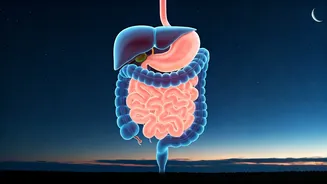
that these intense urges are often tied to the body's energy and nutrient needs, rather than the food itself. Irregular meal patterns, poor dietary choices, insufficient hydration, and a lack of essential proteins and fibers can upset the body's metabolic equilibrium, leading to heightened hunger. Even if you're consuming enough calories, if your diet lacks nutritional variety and consistency, your body may send out hunger signals. Furthermore, Dr. Mustkim Khan, a laparoscopic surgeon, highlights the crucial role of digestive health in nutrient absorption and how hunger cues are interpreted. Compromised digestion, even with regular food intake, can impede nutrient assimilation, prompting the body to create cravings as a response.
Decoding Common Cravings
When you suddenly yearn for chocolate, it might be your body asking for magnesium. Dark chocolate, in particular, is a good source of magnesium, iron, and fiber. If you're anemic or have low iron levels, this craving could be your body's way of indicating a need for more iron, as chocolate offers a readily available, albeit small, amount. Additionally, a chocolate craving can signify a deficiency in magnesium, which is vital for energy production and mood regulation. A strong desire for salty foods, beyond just seeking a savory taste, could indicate dehydration. While some diuretic medications can cause salt wastage, the primary culprit is often insufficient fluid intake. Significant sweating also leads to the loss of both water and sodium, triggering salt cravings. The best remedy involves replenishing with water or WHO-approved electrolyte solutions after consulting a doctor. Cravings for peculiar non-food items like clay, ice, chalk, or paper are associated with a condition called pica. Pagophagia, the craving for ice, is frequently linked to iron deficiency, even without diagnosed anemia. Research suggests pica is an unusual phenomenon where individuals desire non-nutritive substances, commonly tied to a lack of iron. If you find yourself craving carbohydrates like pasta or bread, it might be a sign of poor sleep. These foods provide a rapid energy source, and when sleep-deprived, your body seeks the quickest way to regain energy. A craving for red meat often points to a deficiency in iron and zinc. While consumption should be moderate, some studies suggest that small amounts of red meat can be beneficial to a healthy diet.
Beyond Nutrients: Other Triggers
While nutrient deficiencies are a primary driver of food cravings, several other factors can contribute. Hormonal fluctuations, stemming from stress, lack of sleep, or pregnancy, can significantly alter appetite and trigger specific desires. Experiencing low blood sugar can also prompt the body to seek quick energy sources, leading to cravings. Dehydration, as previously mentioned, intensifies feelings of hunger and can manifest as cravings. Even simple boredom can play a role; when lacking stimulation, individuals might reach for unhealthy snacks as a form of distraction or activity. Understanding these diverse triggers is key to managing cravings effectively.
Processed Foods Impact
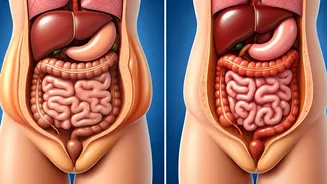
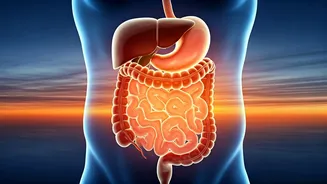
Giving in to cravings for processed foods, especially when combined with a sedentary lifestyle and erratic eating habits, can disrupt gut function and bowel regularity, according to Dr. Khan. This disruption hinders the efficient digestion and processing of food, which in turn can affect appetite regulation. Consuming processed foods may lead to indigestion, causing uncomfortable symptoms like a feeling of heaviness and bloating after meals. These consequences underscore the importance of addressing the root cause of cravings rather than simply satisfying them with less nutritious options.