Explore
Trendpost
How Horror Directors Use Negative Space to Make Empty Frames Feel Threatening
Learn how television directors use the powerful filmmaking technique of negative space to create suspense and make horror scenes feel deeply unsettling.
Read More
Trendpost
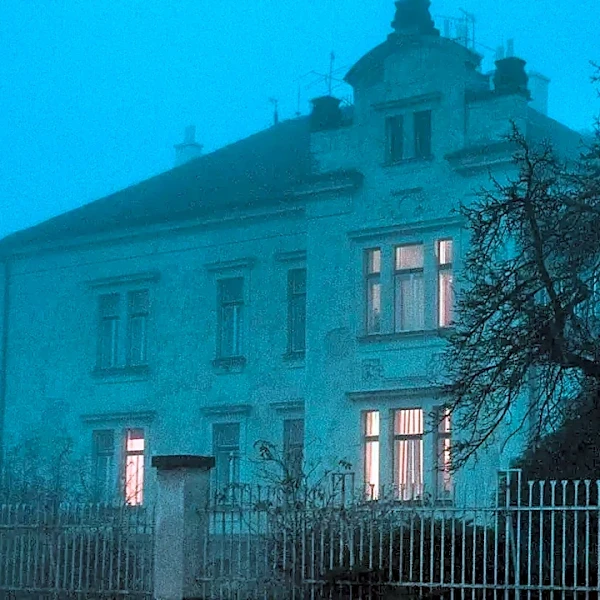
Why Fog Remains One of TV Horror's Most Efficient Visual Shortcuts
From practical budget-saving to psychological terror, here’s why fog remains a powerfully effective and enduring trope in TV horror and beyond.
Read More
Trendpost
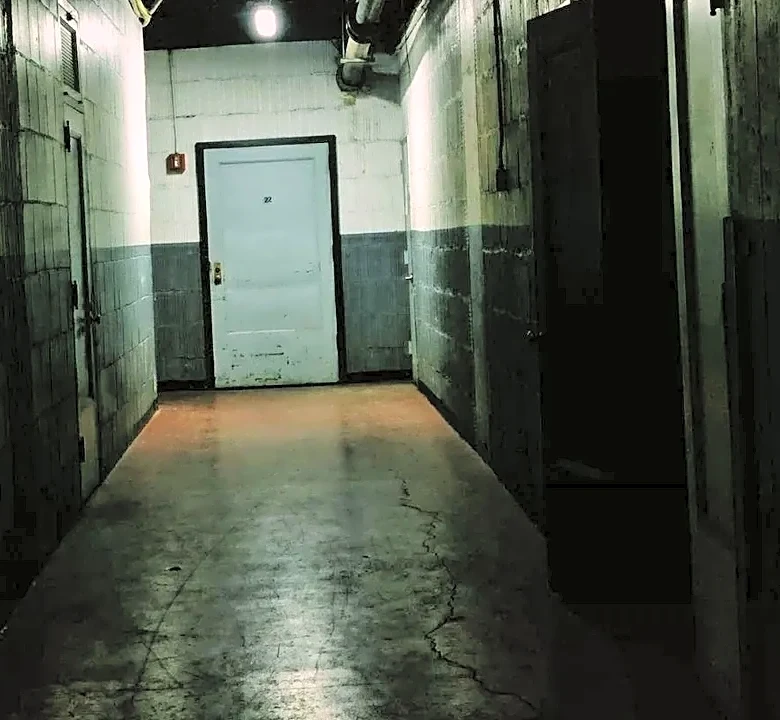
The Lens Choices That Make a Hallway Feel Longer and More Dangerous
Discover the cinematic secrets behind unsettling hallways, from wide-angle distortion to telephoto compression that manipulates space and creates suspense.
Read More
Trendpost
Why Locked-Off Shots Build Dread Differently Than Handheld Horror
Explore how locked-off camera shots and chaotic handheld filming manipulate audience psychology to create two distinct, terrifying types of cinematic dread.
Read More
Trendpost
The Frequency Tricks Behind the Low Rumble in Modern Horror TV
Discover the science behind the unsettling low-frequency sounds in modern horror and why that deep rumble is so effective at creating dread.
Read More
Trendpost
The Creative Risk of Packing Too Many Horror References Into One Episode
When does a loving homage to a horror classic become a narrative liability that dulls tension and distracts from the story itself?
Read More
Trendpost
Why Horror Villains Often Work Better When the Camera Shows Less
Exploring why the most terrifying villains in television and film are often the ones we barely see, leveraging the power of suspense and imagination.
Read More
Trendpost
How Halloween Episodes Use Lighting to Make Familiar Sets Feel Unfamiliar
Discover the cinematic lighting tricks TV shows use to transform their familiar, comforting sets into spooky, unfamiliar worlds for Halloween.
Read More
Trendpost
What 'The Haunting of Hill House' Teaches About Background Horror on Television
An analysis of how 'The Haunting of Hill House' uses hidden background ghosts to create persistent dread and redefine atmospheric horror for television.
Read More
Trendpost
How Long Takes Raise Tension in Horror and Thriller TV
Explore how horror TV shows use uninterrupted long takes to trap viewers, amplify psychological dread, and create a more profound sense of fear.
Read More
Trendpost
How HDR Can Add More Detail to Shadow-Heavy Horror TV
High Dynamic Range (HDR) isn't just a buzzword; it's a creative tool that gives horror directors unprecedented control over darkness and shadows.
Read More
Trendpost
The Door-Creak Problem: Why Familiar Horror Sounds Still Work on TV
From creaking doors to sudden screams, we explore the evolutionary psychology and storytelling craft that makes classic horror sounds so effective.
Read More