Explore
Trendpost
5 Cinematographers to Explore If You Love the Visual Realism of Elia Kazan's Films
For fans of the raw, character-driven visuals of Elia Kazan's films, we explore contemporary cinematographers whose work carries on his powerful legacy.
Read More
Trendpost
How The Witch's 1.66:1 Frame Makes Its Woods and Interiors More Oppressive
Discover the subtle, yet powerful, framing choice director Robert Eggers used in 'The Witch' to create a unique sense of claustrophobia and dread.
Read More
Trendpost
How Robert Aldrich Used Unconventional Casting to Challenge Hollywood Expectations
A look into how director Robert Aldrich defied Hollywood's star system, making casting choices that baffled executives but created cinematic history.
Read More
Trendpost
How Shallow Focus Can Turn a Background Figure Into a Halloween Scare
Discover how a simple filmmaking technique called shallow focus manipulates our brains to create some of the most memorable scares in horror history.
Read More
Trendpost
Production Designers Build a Halloween Set That Reads Instantly on Screen
Discover the hidden language of spooky set design and how production designers use color, texture, and light to create an instant feeling of Halloween.
Read More
Trendpost
Why Locked-Off Shots Build Dread Differently Than Handheld Horror
Explore how locked-off camera shots and chaotic handheld filming manipulate audience psychology to create two distinct, terrifying types of cinematic dread.
Read More
Trendpost
How Digital Cinematography Changed the Look of Modern Horror
From grainy film to crisp digital, the tools used to capture horror have evolved, fundamentally changing the texture and mood of modern scary movies.
Read More
Trendpost
Why Practical Effects Still Carry So Much Weight in Horror
Beyond nostalgia, there's a tangible reason why practical effects in horror films create a visceral, lasting impact that CGI often can't replicate.
Read More
Trendpost
How Filmmakers Make Masked Horror Characters Read Clearly on Screen
Learn the professional directing and staging tricks that filmmakers use to make masked characters like Michael Myers emotionally clear and terrifying.
Read More
Trendpost
Why Blood Color Changes From Set to Screen
Ever wonder why on-screen blood looks different from the real thing? The answer involves a fascinating mix of chemistry, technology, and pure artistry.
Read More
Trendpost
Why Krzysztof Kieślowski Chose the Young Piotr Sobociński to Shoot Three Colors: Red
A look back at how director Krzysztof Kieslowski defied convention by choosing a young Piotr Sobociński to shoot Three Colors: Red, a decision that led to an Oscar nomination.
Read More
Trendline
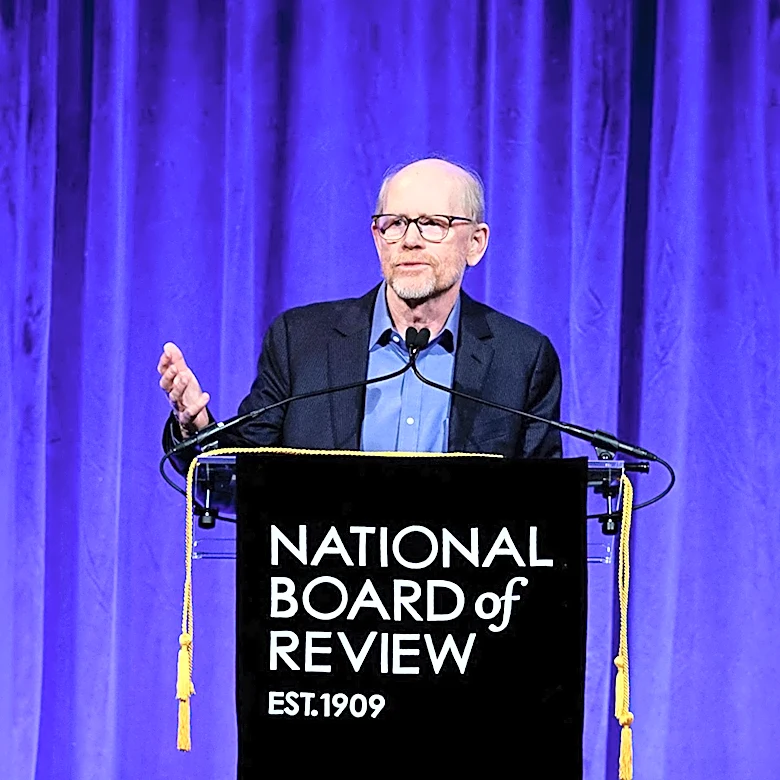
Ron Howard's Directorial Career Shaped by Repeated Viewings of 1971 Foreign Film 'The Emigrants'
Ron Howard's Directorial Career Shaped by Repeated Viewings of 1971 Foreign Film 'The Emigrants'
Read More