Explore
Trendpost
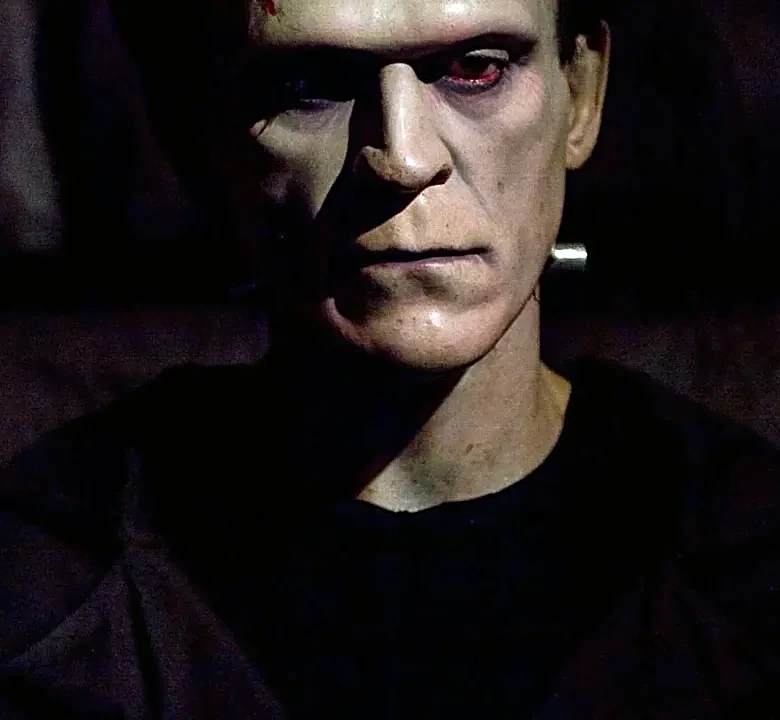
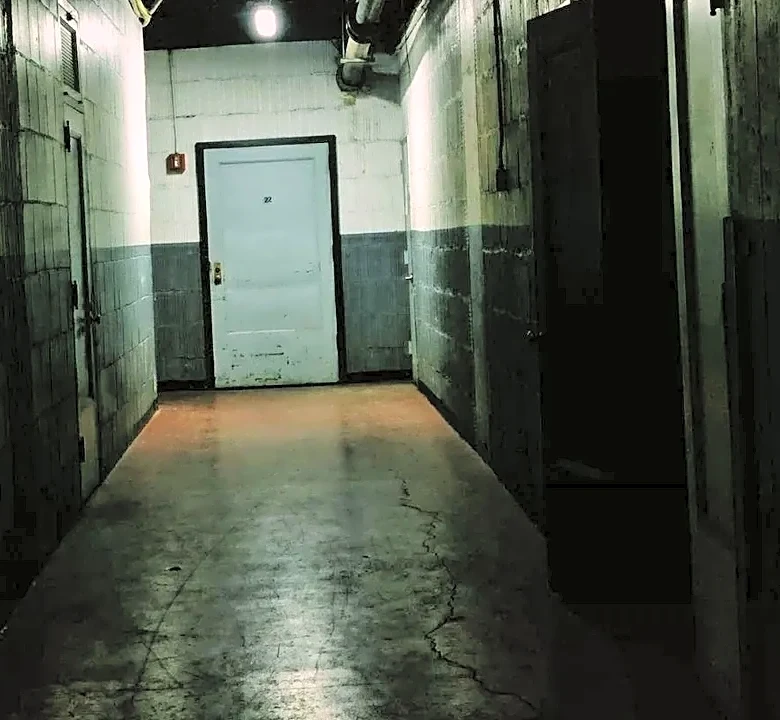
The Practical Reason Horror Monsters Often Stay in the Shadows
Ever wonder why TV and film monsters lurk in the shadows? The answer is a mix of budget constraints, practical effects, and the psychology of fear.
Read More
Trendpost
Why What Horror Movies Don't Show Can Be So Effective
Exploring the psychological and cinematic techniques that make unseen threats in horror films far more terrifying than any monster on screen.
Read More
Trendpost
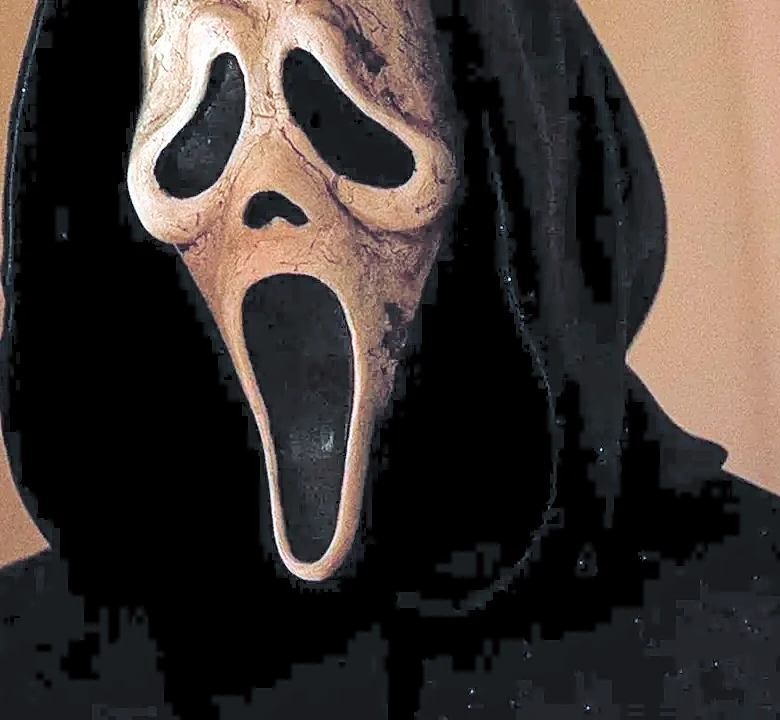
Why Horror Villains Often Work Better When the Camera Shows Less
Exploring why the most terrifying villains in television and film are often the ones we barely see, leveraging the power of suspense and imagination.
Read More
Trendpost
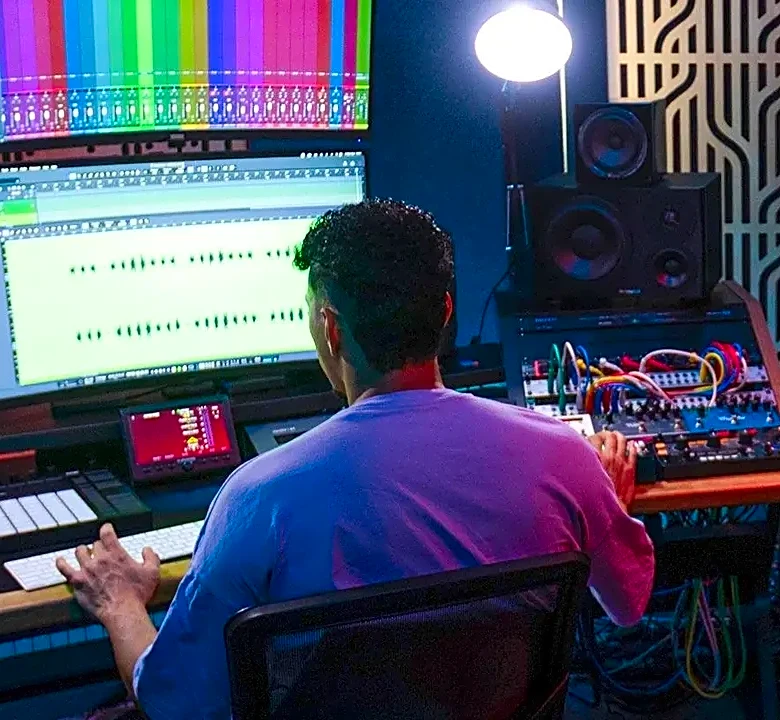
How Horror Sound Design Makes a Quiet Scene Feel Dangerous
Discover the hidden art of horror movie sound design, where silence, subtle noises, and low-frequency sounds are used to create unbearable tension.
Read More
Trendpost
The Frequency Tricks Behind the Low Rumble in Modern Horror TV
Discover the science behind the unsettling low-frequency sounds in modern horror and why that deep rumble is so effective at creating dread.
Read More
Trendpost
How Sound Design Can Make a Halloween Episode Feel Bigger Without Showing More
Discover the overlooked craft of sound design and how its psychological tricks create tension and fear in horror without a huge visual effects budget.
Read More
Trendpost
The Musical Cue That Can Make a Halloween Scene Instantly Feel Wrong
Discover the musical secret horror directors use to make scenes feel instantly wrong, turning symbols of innocence into instruments of pure dread.
Read More
Trendpost
The Door-Creak Problem: Why Familiar Horror Sounds Still Work on TV
From creaking doors to sudden screams, we explore the evolutionary psychology and storytelling craft that makes classic horror sounds so effective.
Read More
Trendpost
Why Reaction Shots Can Be Scarier Than the Monster in TV Horror
Horror isn't about what you see, but who you see seeing it. This is why the reaction shot is the most powerful tool in television's horror arsenal.
Read More
Trendpost
How Foley and Silence Make Horror-Movie Footsteps Feel So Tense
Discover the sound design secrets that make footsteps in horror movies so terrifying and learn how Foley artists manipulate audio to create pure tension.
Read More
Trendpost
How Shallow Focus Can Turn a Background Figure Into a Halloween Scare
Discover how a simple filmmaking technique called shallow focus manipulates our brains to create some of the most memorable scares in horror history.
Read More
Trendpost
Why Locked-Off Shots Build Dread Differently Than Handheld Horror
Explore how locked-off camera shots and chaotic handheld filming manipulate audience psychology to create two distinct, terrifying types of cinematic dread.
Read More