Explore
Trendpost
How Supernatural TV Horror Builds Atmosphere Without Excessive Gore
Explore the techniques TV's best ghost stories use to build haunting atmosphere and psychological dread without relying on cheap scares or gore.
Read More
Trendpost
The Creative Risk of Packing Too Many Horror References Into One Episode
When does a loving homage to a horror classic become a narrative liability that dulls tension and distracts from the story itself?
Read More
Trendpost
How Sound Design Can Make a Halloween Episode Feel Bigger Without Showing More
Discover the overlooked craft of sound design and how its psychological tricks create tension and fear in horror without a huge visual effects budget.
Read More
Trendpost
How Long Takes Raise Tension in Horror and Thriller TV
Explore how horror TV shows use uninterrupted long takes to trap viewers, amplify psychological dread, and create a more profound sense of fear.
Read More
Trendpost
Why Hallways, Staircases, and Doorways Work So Well in TV Horror
Ever wonder why scary shows always use the same architectural tricks? Here's the psychological reason hallways, stairs, and doors are horror mainstays.
Read More
Trendpost
What 'The Haunting of Hill House' Teaches About Background Horror on Television
An analysis of how 'The Haunting of Hill House' uses hidden background ghosts to create persistent dread and redefine atmospheric horror for television.
Read More
Trendpost
How Streaming Gave TV Horror More Freedom With Pacing and Structure
Streaming platforms didn't just give horror creators more freedom; they fundamentally broke the rules that governed how scary stories were told on TV.
Read More
Trendpost
How HDR Can Add More Detail to Shadow-Heavy Horror TV
High Dynamic Range (HDR) isn't just a buzzword; it's a creative tool that gives horror directors unprecedented control over darkness and shadows.
Read More
Trendpost
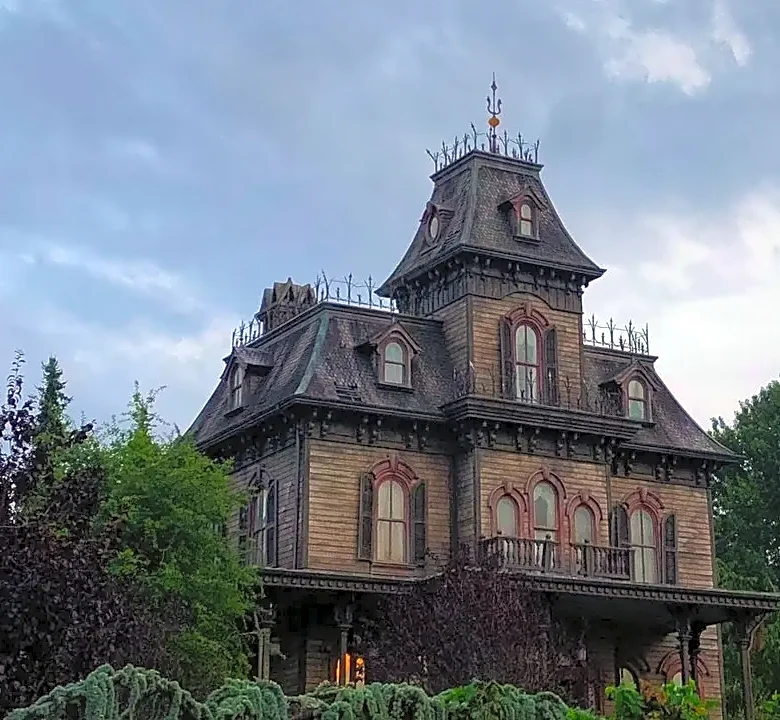
Why Limited Series Often Fit Gothic Horror Better Than Endless Seasons
Gothic horror relies on atmosphere and dread, elements that a contained limited series can sustain far more effectively than a multi-season show.
Read More
Trendpost
The Door-Creak Problem: Why Familiar Horror Sounds Still Work on TV
From creaking doors to sudden screams, we explore the evolutionary psychology and storytelling craft that makes classic horror sounds so effective.
Read More
Trendpost
How Classic Halloween TV and Streaming Horror Differ — and What Each Does Best
A look at how classic Halloween specials built community and atmosphere, while modern streaming horror delivers personal, on-demand terror and thematic depth.
Read More
Trendpost
The Frequency Tricks Behind the Low Rumble in Modern Horror TV
Discover the science behind the unsettling low-frequency sounds in modern horror and why that deep rumble is so effective at creating dread.
Read More