Explore
Trendpost
The Musical Cue That Can Make a Halloween Scene Instantly Feel Wrong
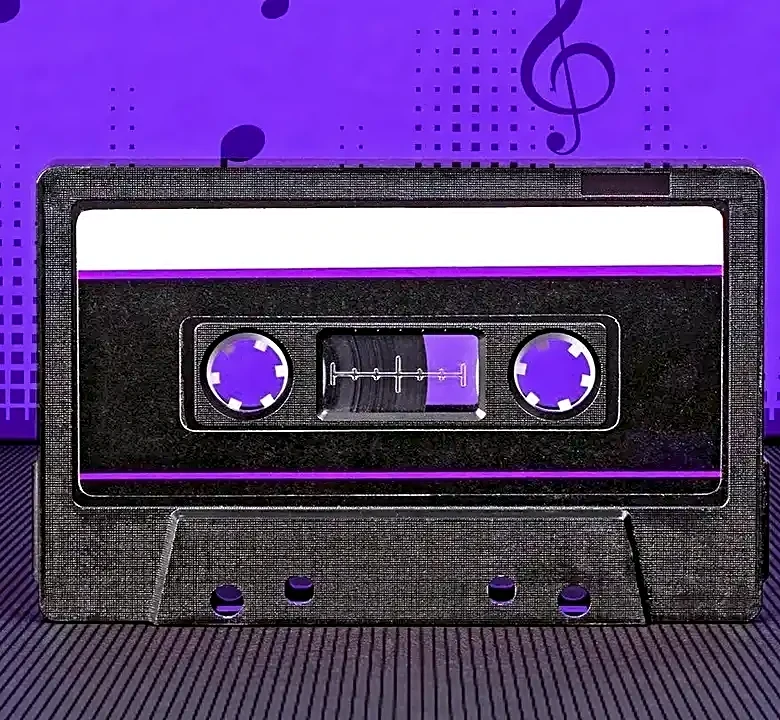
Discover the musical secret horror directors use to make scenes feel instantly wrong, turning symbols of innocence into instruments of pure dread.
Read More
Trendpost
Production Designers Build a Halloween Set That Reads Instantly on Screen
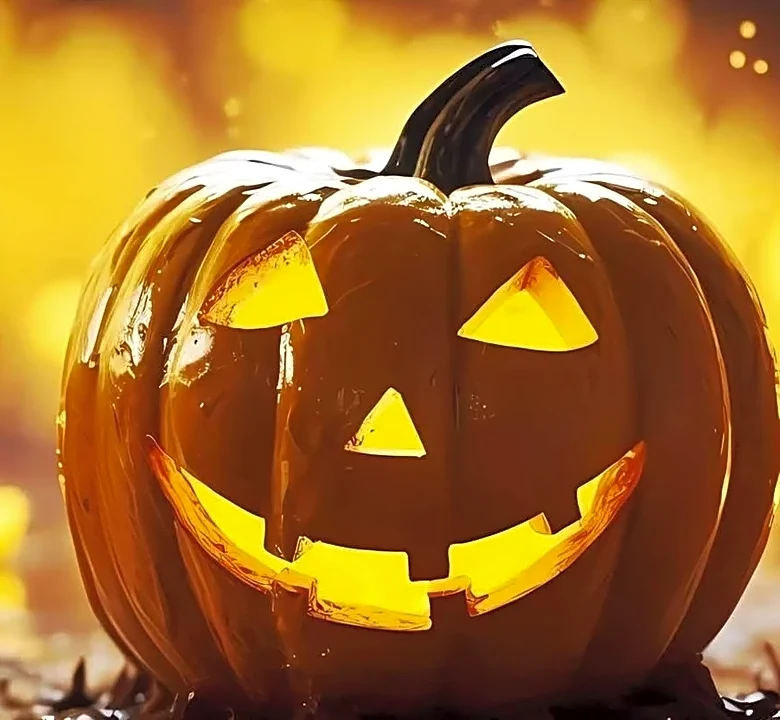
Discover the hidden language of spooky set design and how production designers use color, texture, and light to create an instant feeling of Halloween.
Read More
Trendpost
Why Fog Remains One of TV Horror's Most Efficient Visual Shortcuts
From practical budget-saving to psychological terror, here’s why fog remains a powerfully effective and enduring trope in TV horror and beyond.
Read More
Trendpost
The Practical Reason Horror Monsters Often Stay in the Shadows
Ever wonder why TV and film monsters lurk in the shadows? The answer is a mix of budget constraints, practical effects, and the psychology of fear.
Read More
Trendpost
Why Locked-Off Shots Build Dread Differently Than Handheld Horror
Explore how locked-off camera shots and chaotic handheld filming manipulate audience psychology to create two distinct, terrifying types of cinematic dread.
Read More
Trendpost
How Filmmakers Make Masked Horror Characters Read Clearly on Screen
Learn the professional directing and staging tricks that filmmakers use to make masked characters like Michael Myers emotionally clear and terrifying.
Read More
Trendpost
Why Children's Voices Keep Appearing in Horror Soundtracks
An exploration of the psychological and cinematic reasons why the sound of a child's voice has become one of horror's most terrifying tropes.
Read More
Trendpost
How Filmmakers Shoot Mirrors Without Giving Away the Camera Crew
Ever wonder how TV shows and movies film mirror scenes without the camera showing up? Here are the clever practical and digital tricks they use.
Read More
Trendpost
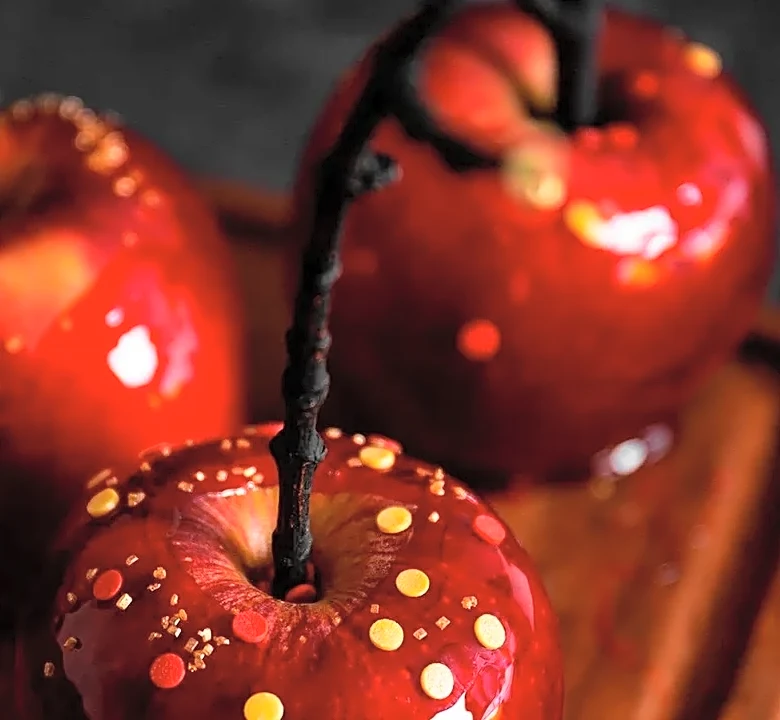
Why Film and TV Sets Sometimes Need Fake Food Instead of the Real Thing
A look behind the scenes at how movie prop masters create durable, realistic fake Halloween candy that can withstand hot lights and multiple takes.
Read More
Trendpost
The Frequency Tricks Behind the Low Rumble in Modern Horror TV
Discover the science behind the unsettling low-frequency sounds in modern horror and why that deep rumble is so effective at creating dread.
Read More
Trendpost
Why the Best Horror Opening Scenes Feel Like Short Films
From Scream to Jaws, the pre-credits teaser is a horror staple. We break down the key ingredients that turn an opening scene into a promise of terror.
Read More
Trendpost
The Creative Risk of Packing Too Many Horror References Into One Episode
When does a loving homage to a horror classic become a narrative liability that dulls tension and distracts from the story itself?
Read More