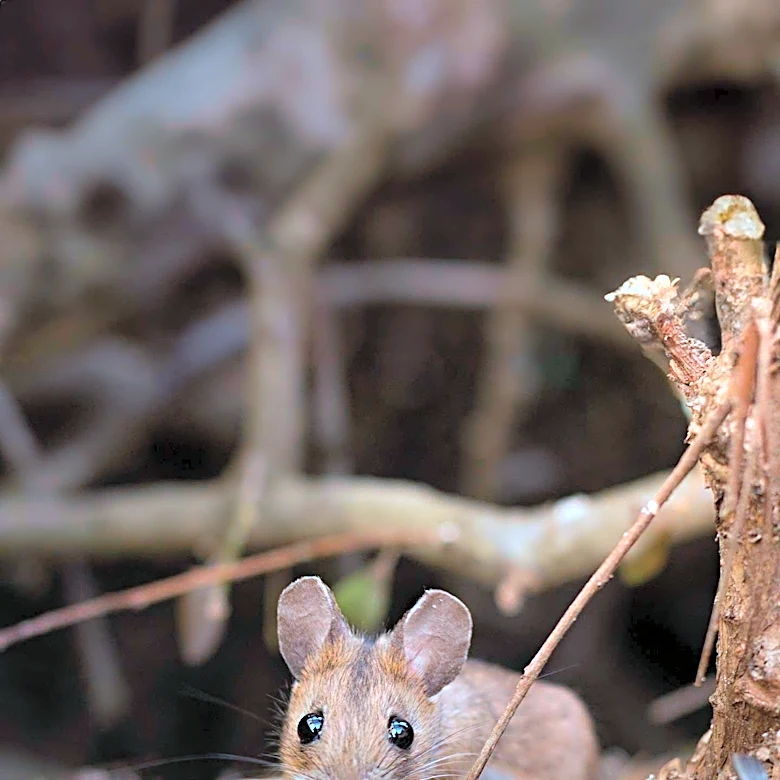
New Research Identifies Brain Activity Linked to Alcohol Relapse Vulnerability in Mice
A recent study conducted by a research team, including members from Vanderbilt, has identified specific brain activity in mice that may predict vulnerability to compulsive alcohol consumption after a period of abstinence. The study, supported by grants from the National Institute of Health, observed mice that were given long-term voluntary access to alcohol, followed by forced abstinence. A subset of these mice subsequently developed aversion-resistant alcohol intake, meaning they continued to drink alcohol even when it was made increasingly bitter. Researchers monitored the activity of cells in the bed nucleus of the stria terminalis (BNST), a brain region previously linked to anxiety and depression in alcohol use disorder. They found unusually high BNST activity in abstinent mice that later exhibited compulsive-like drinking, with activity levels more than double in those that developed a taste for bitter alcohol compared to mice that did not undergo forced abstinence. This heightened BNST activity was o...