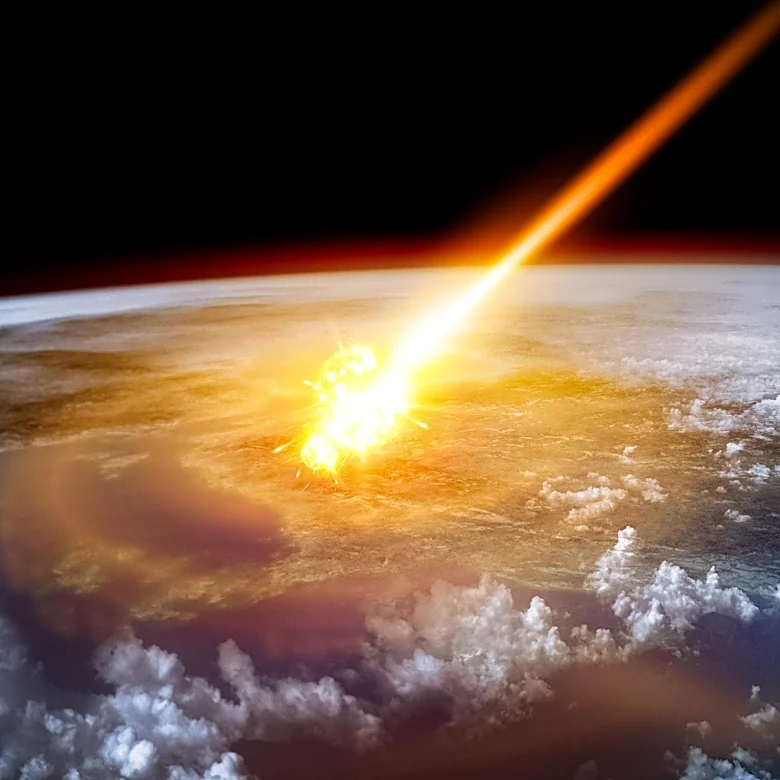
Scientists Identify Rare Meteorite as Cause of Dinosaur Extinction
Researchers from the University of British Columbia, Paris, Brussels, and Vienna have identified a rare type of meteorite, known as a CO chondrite, as the likely cause of the mass extinction event that occurred 66 million years ago. This event led to the extinction of approximately 75% of all species, including non-avian dinosaurs. The study, published in Science Advances, involved analyzing nickel isotopes in material left by the Cretaceous-Paleogene impact. CO chondrites are distinct from typical meteorites due to their lower content of volatile elements like sulfur. This finding suggests that the sulfur from the meteorite itself may not have been the primary cause of the extinction. Instead, the fine debris ejected into the atmosphere likely played a more significant role in the global catastrophe.