Explore
Trendpost
How Stanley Kubrick Used One-Point Perspective to Create Unease
Explore the psychological power and technical mastery of Stanley Kubrick's famous one-point perspective shot and what it reveals about his films.
Read More
Trendpost
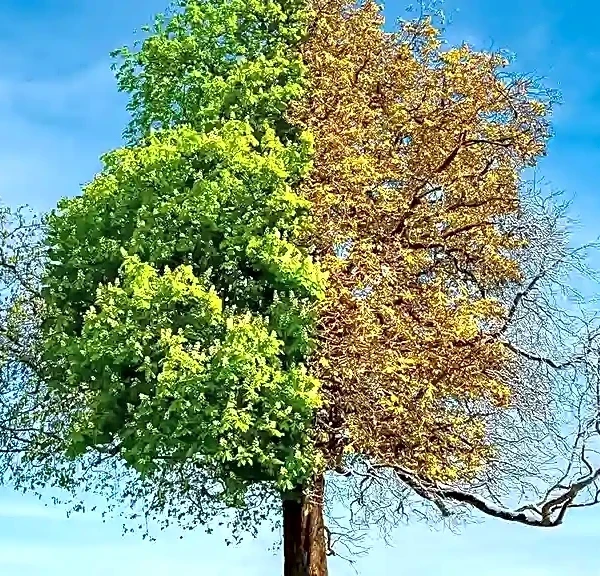
How Directors Use Changing Seasons to Reflect Character Transformation
Discover how filmmakers use the symbolic power of spring, summer, autumn, and winter to convey profound character transformations without a single word of dialogue.
Read More
Trendpost
Why Silence Can Be One of a Thriller’s Most Effective Tools
Explore how filmmakers use the absence of sound not just to build suspense, but to create a powerful psychological tool that is often scarier than any jump scare.
Read More
Trendpost
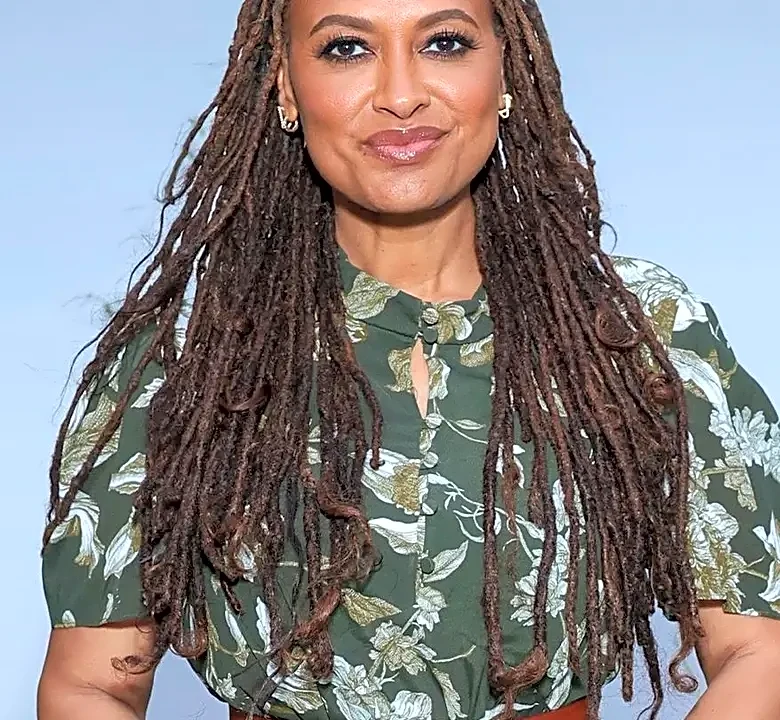
How Ava DuVernay Uses Visual Storytelling to Center Humanity and History
An analysis of how director Ava DuVernay developed a distinct and influential visual style through her approach to intimacy, history, and character.
Read More
Trendpost
Why Biopics Struggle to Turn a Real Life Into a Focused Movie Story
Fall movie season is biopic season, but why do so many feel the same? The genre faces a core challenge: turning a messy life into a satisfying story.
Read More
Trendpost
How Barry Jenkins and His Editors Built a Distinctive Cinematic Rhythm
A deep dive into how director Barry Jenkins, through films like 'Moonlight,' uses editing to create a new emotional language for American cinema.
Read More
Trendpost
Why Documentary Editing Can Be More Dramatic Than Audiences Realize
Discover the hidden world of documentary editing, where finding the story, ethical dilemmas, and creative battles make it a dramatic art form.
Read More
Trendpost
Why the “Broken Hero” Trope Can Undercut Legacy Sequels
Hollywood loves sequels, but one character trope has become a lazy shortcut: the broken hero. Here's why it's a narrative dead end.
Read More
Trendpost
The Sound-Design Techniques That Make Thrillers Feel Unsettling
Ever wonder why thrillers make you so tense? Discover the subtle, unnerving sound design techniques filmmakers use to create that feeling of dread.
Read More
Trendpost
Why Prioritizing Plot Can Make Literary Adaptations Feel Rushed
Ever wonder why movie versions of great books feel rushed and empty? The answer often lies in one single, surprisingly common filmmaking mistake.
Read More
Trendpost
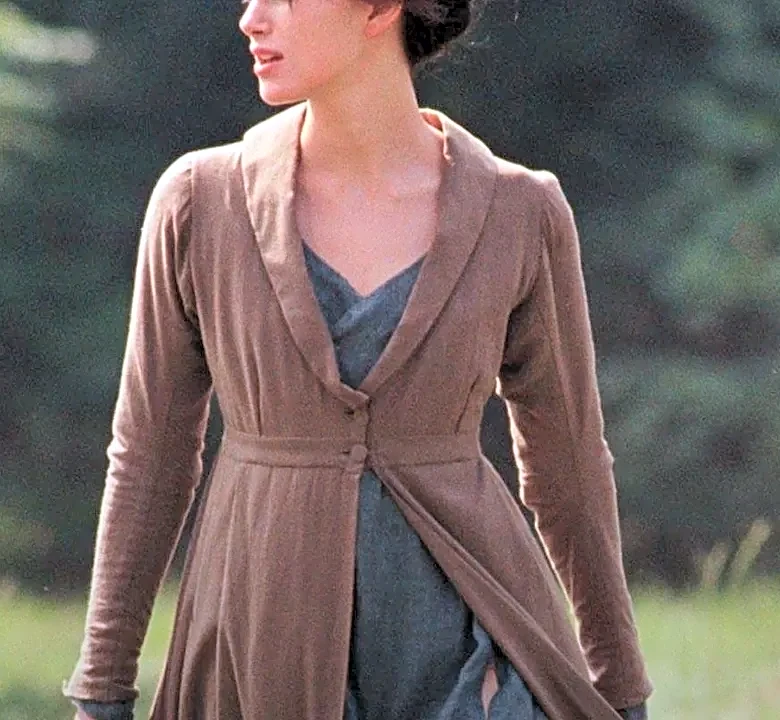
How Costume Choices Help Build the Autumnal Worlds of Familiar Movies
Beyond cozy sweaters, subtle costume choices in texture, color, and wear tell deep stories that define our favorite fall movies.
Read More
Trendpost
Why Practical Locations Can Give Movies a Stronger Sense of Place
Exploring how real-world locations provide authenticity, texture, and creative advantages that often elevate autumn's character-driven films.
Read More