Explore
Trendpost
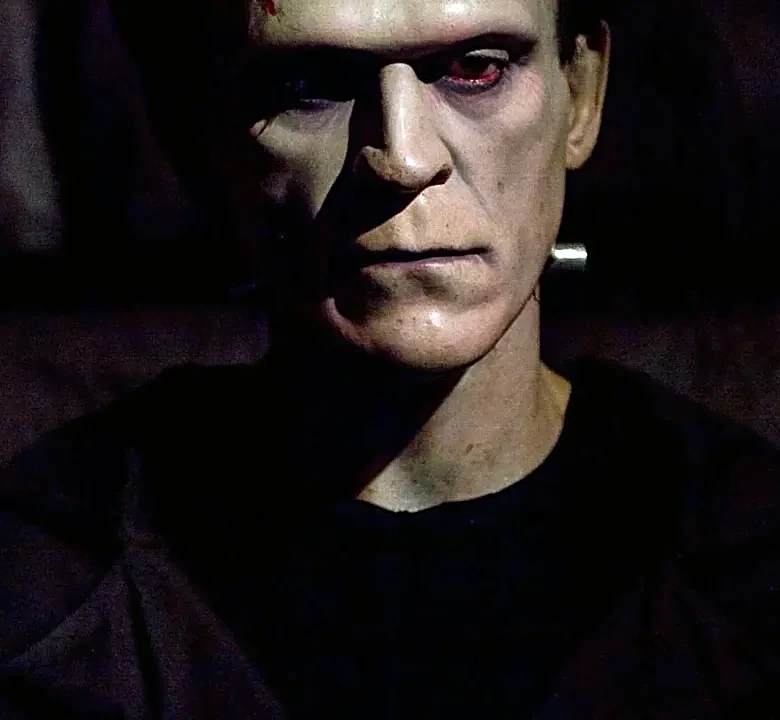
The Practical Reason Horror Monsters Often Stay in the Shadows
Ever wonder why TV and film monsters lurk in the shadows? The answer is a mix of budget constraints, practical effects, and the psychology of fear.
Read More
Trendpost
Why Off-Screen Horror Can Feel Scarier Than What Movies Show Us
Discover the psychology behind off-screen horror and why what you don't see in scary movies is often more terrifying than any monster on screen.
Read More
Trendpost
Why Horror Villains Often Work Better When the Camera Shows Less
Exploring why the most terrifying villains in television and film are often the ones we barely see, leveraging the power of suspense and imagination.
Read More
Trendpost
How Horror Directors Use Negative Space to Make Empty Frames Feel Threatening
Learn how television directors use the powerful filmmaking technique of negative space to create suspense and make horror scenes feel deeply unsettling.
Read More
Trendpost
How Foley and Silence Make Horror-Movie Footsteps Feel So Tense
Discover the sound design secrets that make footsteps in horror movies so terrifying and learn how Foley artists manipulate audio to create pure tension.
Read More
Trendpost
Why the Best Horror Opening Scenes Feel Like Short Films
From Scream to Jaws, the pre-credits teaser is a horror staple. We break down the key ingredients that turn an opening scene into a promise of terror.
Read More
Trendpost
How Shallow Focus Can Turn a Background Figure Into a Halloween Scare
Discover how a simple filmmaking technique called shallow focus manipulates our brains to create some of the most memorable scares in horror history.
Read More
Trendpost
How Editing Can Stretch Time During a Slasher Stalk Scene
Slasher films use a specific editing trick to manipulate your sense of time, making a chase scene feel agonizingly long. Here's how it works.
Read More
Trendpost
8 Filmmaking Choices That Can Make a Horror Movie Feel Cheap
From bad CGI to muddy lighting, here are the key production shortcuts that can instantly make a horror movie feel cheap and break your immersion.
Read More
Trendpost
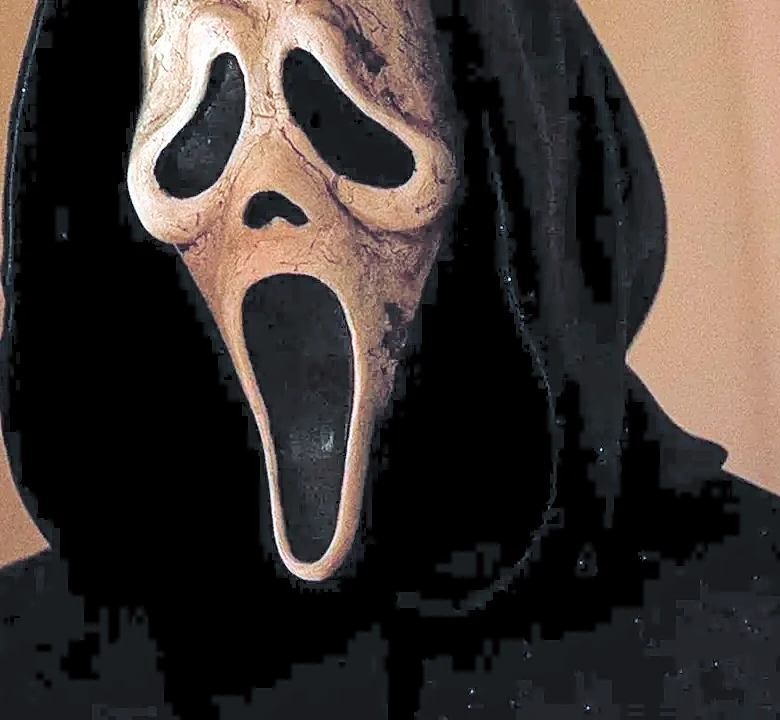
How Filmmakers Make Masked Horror Characters Read Clearly on Screen
Learn the professional directing and staging tricks that filmmakers use to make masked characters like Michael Myers emotionally clear and terrifying.
Read More
Trendpost
How to Spot Great Horror Cinematography During an October Movie Marathon
Enhance your horror movie nights by learning to spot the key cinematography techniques that filmmakers use to create dread, suspense, and terror.
Read More
Trendpost
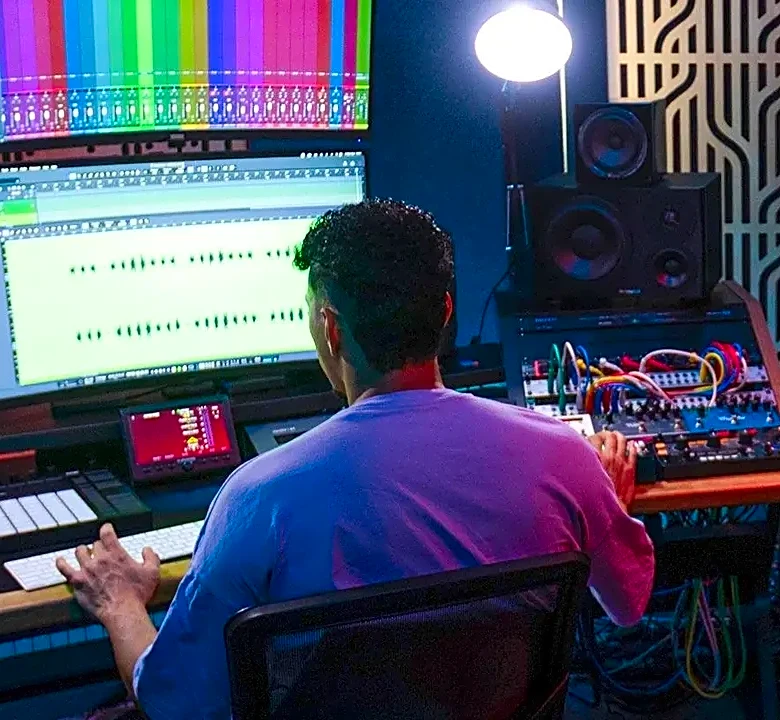
Why Effective Silence Takes So Much Work in Horror Sound Design
Discover why the absence of sound in horror television isn't cheap, but a meticulously crafted and costly tool used to build suspense and terror.
Read More