Explore
Trendpost
How Editing Rhythm Shapes the Emotional Impact of a Footage Reel
Ever wonder why a great movie trailer or highlight reel gives you chills? The secret lies in an invisible, powerful editing rhythm that shapes your emotions.
Read More
Trendpost
How a Slow Push-In Can Add Tension to Expository Dialogue
Discover the one simple camera move that filmmakers use to transform boring exposition into high-stakes drama, and see how it works in your favorite movies.
Read More
Trendpost
How Trailer Editing Signals Sci-Fi, Horror, and Superhero Genres
A breakdown of the distinct narrative and editing formulas that sci-fi, horror, and superhero movie trailers use to promise audiences very different thrills.
Read More
Trendpost
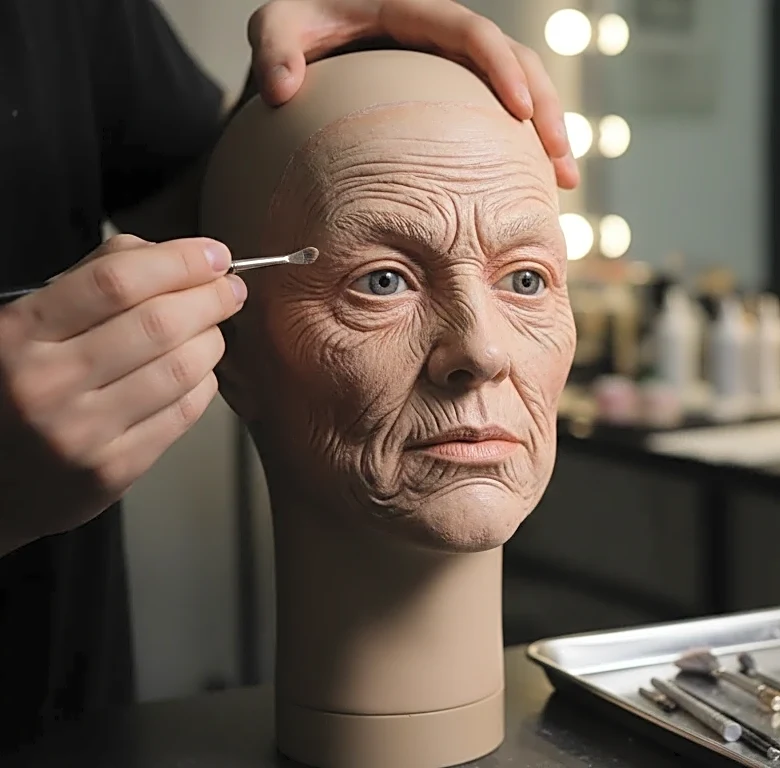
How Makeup Artists Create Believable Aging, Injuries, And Character Transformations
Discover the invisible art of film and television makeup, where artists create realistic aging, injuries, and identities that serve the story.
Read More
Trendpost
Why Archival Footage Can Be a Documentary’s Secret Weapon
Discover how filmmakers use archival footage not just for historical context, but as a powerful tool for emotional impact and narrative authenticity.
Read More
Trendpost
A Director’s Guide to Discussing Visual Style Without Showing Final Footage
A director's guide to effectively communicating visual style to a film crew using lookbooks, storyboards, and specific language before final footage exists.
Read More
Trendpost
How Concept Art Helps Sell and Shape an Unfinished Blockbuster
A single image can be the difference between a green light and the reject pile. Here's how concept art fuels the Hollywood machine.
Read More
Trendline
Hair and Makeup Play Crucial Role in Bringing 'The Odyssey' to Life
Hair and Makeup Play Crucial Role in Bringing 'The Odyssey' to Life
Read More
Trendline
Ron Howard Reflects on Tensions During Filming of 'The Shootist'
Ron Howard Reflects on Tensions During Filming of 'The Shootist'
Read More
Trendpost
How Television Directors Use Long Takes to Build Tension, Action, and Grief
From 'True Detective' to 'The Bear,' we explore the directorial grammar that separates a masterful TV one-take episode from a simple gimmick.
Read More
Trendpost
How Wes Craven Helped Redefine Modern Horror
Wes Craven didn't just make scary movies; he created a cinematic language of terror that filmmakers still use today. We break down his most influential techniques.
Read More
Trendpost
How Editors and VFX Teams Prepare Work-in-Progress Footage for Hall H
Discover the techniques cinematographers and VFX artists use to present unfinished movie footage to thousands of fans at events like Comic-Con's Hall H.
Read More