Explore
Discover daily
How Writers Control the Way a Story Feels
In the realm of literature and other artistic media, the term "mode" serves as an unspecific critical designation. It typically refers to a broad y...
Read More
Trendpost
5 Premiere Clues That Suggest a Series Has Room to Grow
From a pilot's world-building to its character depth, here are the key signals that a new TV show has the narrative engine to last for many seasons.
Read More
Trendpost
Why Villain Introductions Can Become a TV Premiere’s Most Memorable Scene
Fall TV premieres often give the best scenes to the villain. We explore the narrative reasons why antagonists get to be so compelling from the start.
Read More
Trendpost
Four Dialogue Tests That Can Strengthen a TV Pilot
Ever wonder what makes a TV pilot instantly gripping? The secret often lies in a dialogue test that separates the truly great from the merely good.
Read More
Trendpost
Why Exposition Is One of the Toughest Challenges in a TV Premiere
Explore why crafting elegant exposition—the vital who, what, and where of a story—is the biggest challenge for any new TV show in the fall.
Read More
Trendpost
Why Episode Two Is a Crucial Test for a New TV Series
In the high-stakes world of television, the season premiere gets all the attention, but the second episode is often the true test of a show's potential.
Read More
Trendpost
How Showrunners Use Cold Opens to Hook Viewers in a TV Premiere
Explore the art and science behind the TV cold open, the critical first minutes showrunners use to hook audiences during competitive fall premieres.
Read More
Trendpost
Why Prequels Need to Surprise Viewers Who Already Know the Ending
Even when the final destination is known, the best prequels find ways to shock and reframe our understanding of the journey.
Read More
Trendpost
How a Season Premiere Plants Storylines for the Episodes Ahead
Discover the hidden architecture of a TV season premiere, from planting subtle clues to establishing the central conflicts that will unfold all year.
Read More
Trendpost
How Workplace Comedies Build Chemistry in Their First 30 Minutes
A look at the key writing techniques workplace comedies use in their pilot episodes to establish instant and believable character chemistry.
Read More
Trendpost
How Some TV Premieres Use Slow-Burn Openings Instead of Immediate Plot Fireworks
Fall's new TV shows are breaking a fundamental screenwriting rule. Discover which series are delaying their stories and why it's changing television.
Read More
Trendpost
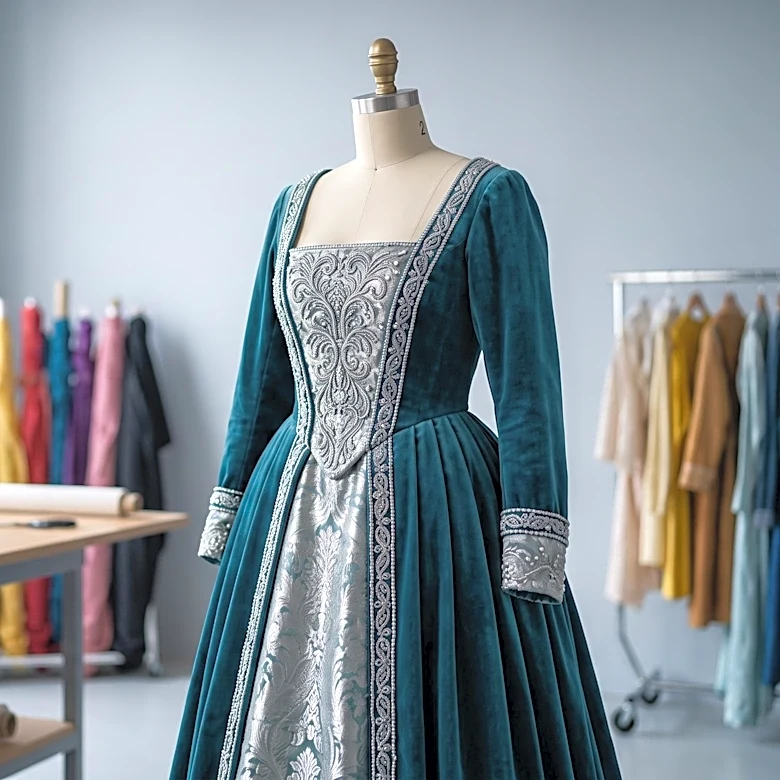
How Costume Design Builds Character and World in a Series Premiere
Discover how costume design in a TV pilot acts as a silent storyteller, defining characters, building worlds, and shaping the narrative from the very first scene.
Read More