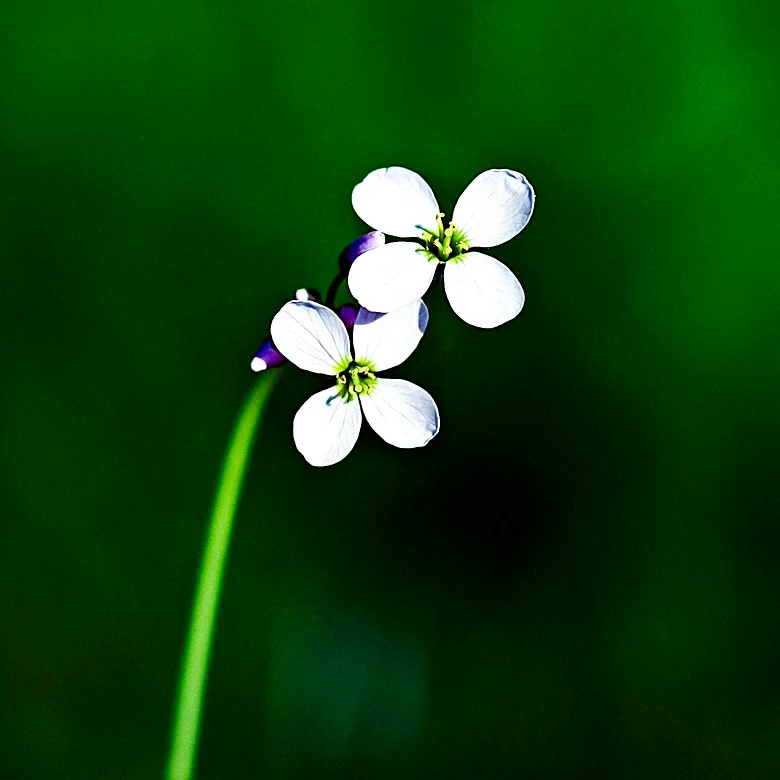
Iowa Wildflower: Earleaf False Foxglove, a Rare Hemiparasite, Faces Conservation Challenges
The Earleaf false foxglove (Agalinis auriculata), a fall-blooming wildflower, is facing significant conservation challenges across its historical range, which once stretched from New Jersey to Minnesota and south to Texas, Mississippi, and Alabama. This annual plant, described as a 'disturbance-dependent hemiparasite,' requires open ground for its seeds to germinate and relies on root connections with other plants for nutrients. Currently, it is listed as 'rare,' 'threatened,' or 'endangered' in multiple Midwestern states, with only 40 to 50 known populations remaining nationwide. In Iowa, the plant has been identified in two locations within Cerro Gordo County: a fen and a mesic prairie at Wilkinson Pioneer Park. The plant's survival is linked to specific environmental conditions, including sufficient rainfall and ground disturbances, which were historically provided by grazing animals like bison and elk, and are now sometimes managed through controlled burns or, unfortunately, by vandalism.