North America Faces Early Bee Swarm Season Amid Climate Concerns
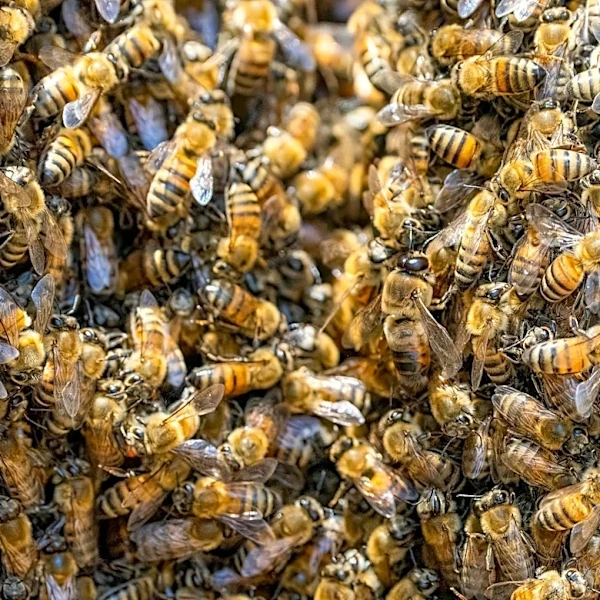
The 2026 bee swarm season in North America has begun 17 days earlier than usual, following record-breaking heatwaves and significant honeybee population declines. According to Swarmed, a network of over 10,000 beekeepers, this shift is linked to warmer winters and changing floral bloom cycles. Bee swarming, a natural reproductive process, typically occurs in spring when hive overcrowding prompts colonies to split. However, earlier swarming is now being observed, particularly in regions like California, where bees are becoming active as early as December. This phenomenon coincides with the largest honeybee die-off in U.S. history, with over 60% of colonies lost last year. Experts also highlight the growing threat of the varroa mite, a parasite increasingly resistant to chemical controls, which weakens hives and spreads viruses. These changes are forcing beekeepers to adapt their management practices to protect both bee populations and the ecosystems they support.