Graphene Quantum Dots Show Potential in Mitigating Parkinson's Protein Clumping
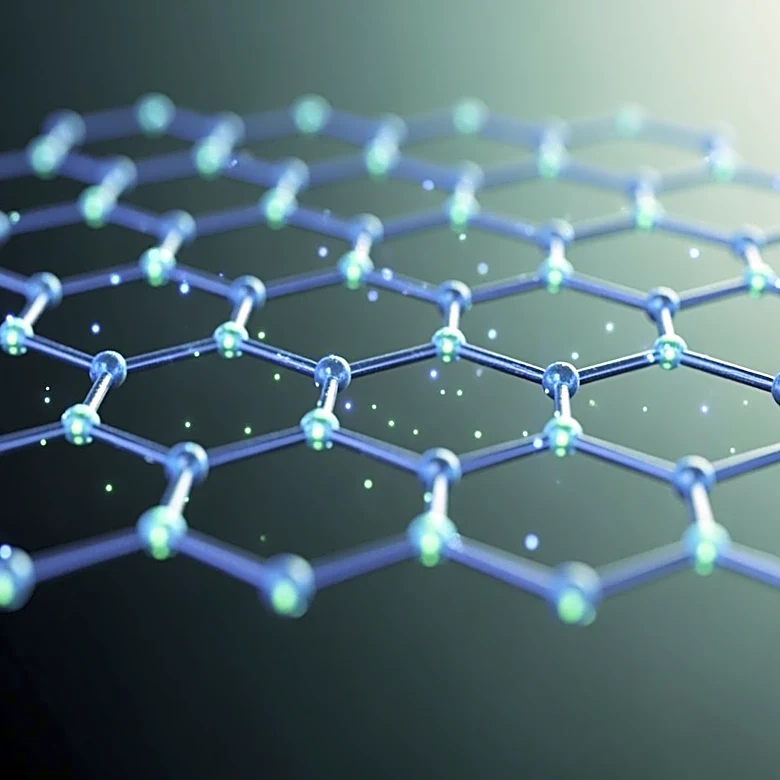
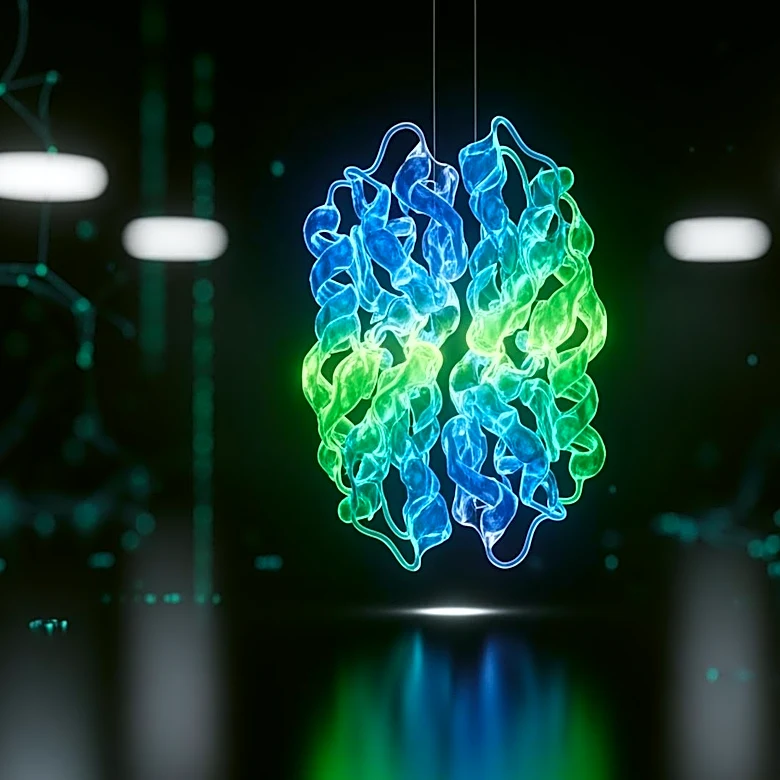
A multinational research team led by Professor Małgorzata Kujawska at the Poznań University of Medical Sciences has discovered that graphene quantum dots (GQDs) can counteract the clumping of α-synuclein (ASN) proteins, which are associated with neurodegenerative diseases like Parkinson's and multiple system atrophy (MSA). The study, published in the journal Science and Technology of Advanced Materials, demonstrates that GQDs can prevent ASN from forming toxic fibers, a hallmark of these diseases. The research involved testing GQDs in various environments, including cell-free systems, neuronal cultures, and animal models. In mice, intranasal administration of GQDs significantly reduced toxic protein aggregates and activated autophagy, a process that helps cells remove damaged proteins. Despite promising results, challenges such as preventing GQDs from clumping in liquid suspensions remain.