New Hampshire Grapples with Rising Energy Costs, Advocates for Local Control and Diversified Energy Strategy
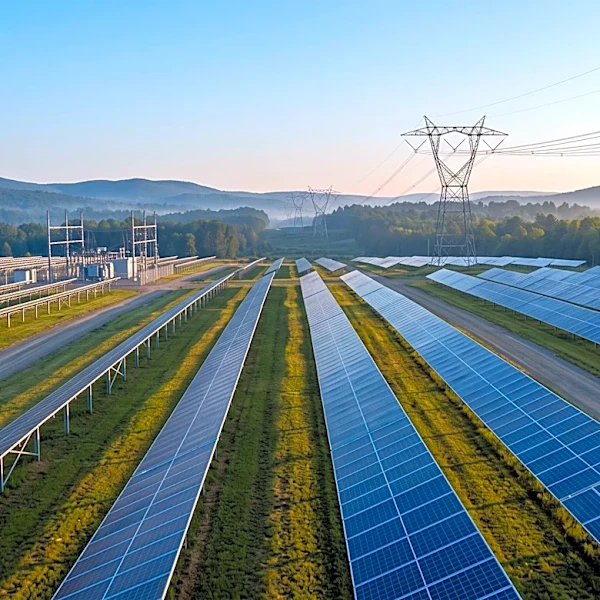
New Hampshire residents and businesses are experiencing significant pressure from increasing electricity and fuel costs, impacting household budgets and business margins. This energy squeeze is attributed to global instability affecting fuel supply and pricing, coupled with New England's rigid energy structure. Traditional utility procurement models, which often involve short, six-month purchasing segments, are identified as a core problem. This approach limits the ability to capitalize on favorable market conditions and leaves consumers vulnerable to price spikes. Additionally, the region's energy mix, where solar development has outpaced investments in storage and grid infrastructure, contributes to higher costs for delivery and system balancing, which are ultimately absorbed by ratepayers. The current system is described as passive and utility-dependent, prompting calls for a more flexible, locally driven approach to energy procurement and management.