New York State Faces Land Use Dilemmas in Pursuing Large-Scale Solar Energy Goals
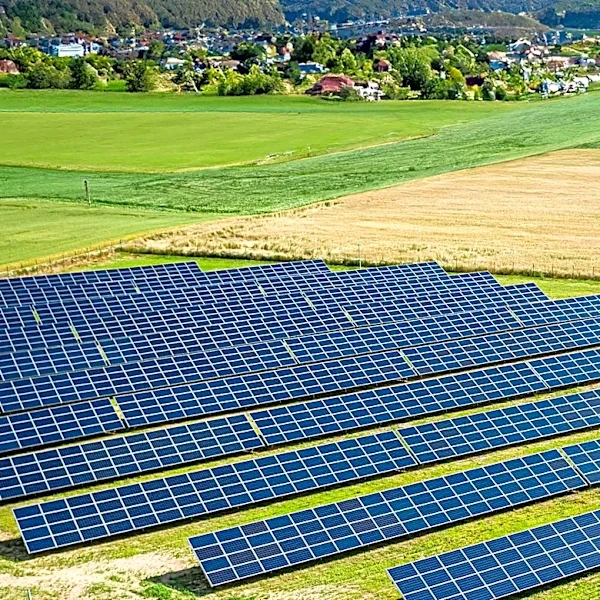
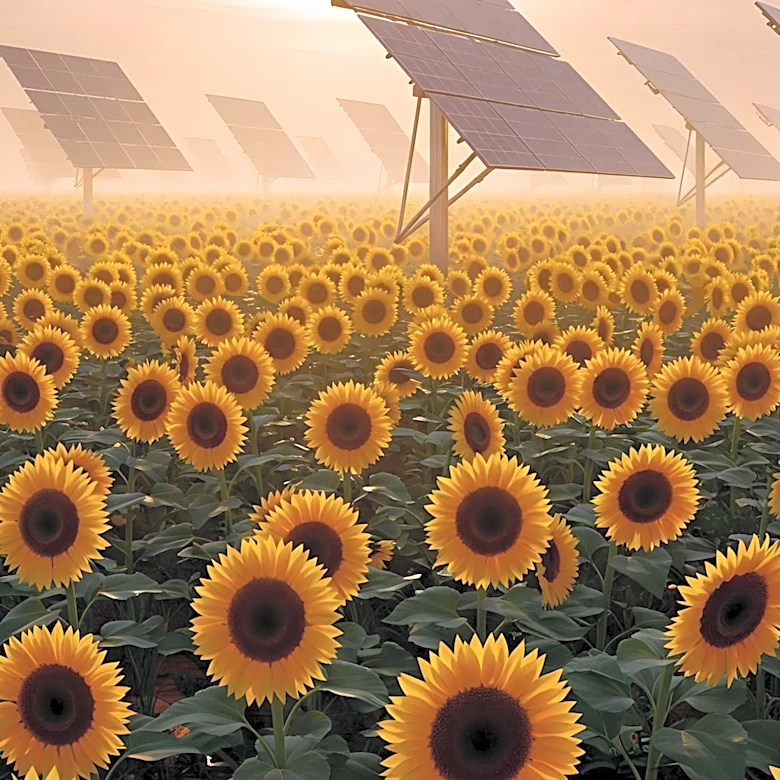
New York State aims to achieve 46 gigawatts of large-scale solar energy by mid-century, a goal that necessitates difficult decisions regarding land use. An analysis indicates that while solar energy is the fastest-growing source of electricity in the U.S., its expansion requires significant land area. For instance, a 100-megawatt solar project can require approximately 417 acres. The 70 gigawatts of solar energy expected to come online in the next two years across the U.S. will require over 320,000 acres, with about 53% projected to displace farmland, 22,000 acres of forest, and nearly 10,000 acres of wetlands. This creates a conflict between agricultural needs, conservation efforts, and renewable energy development. Building solar projects in pastures and hay fields, while convenient, reduces land for the dairy industry and agriculture, key components of New York's economy. Conversely, protecting farmland could push developers towards forests, which are vital for carbon sequestration and biodiversity.