NASA-Funded Project Develops Edible Cookies from Upcycled Plastic and Plant Waste
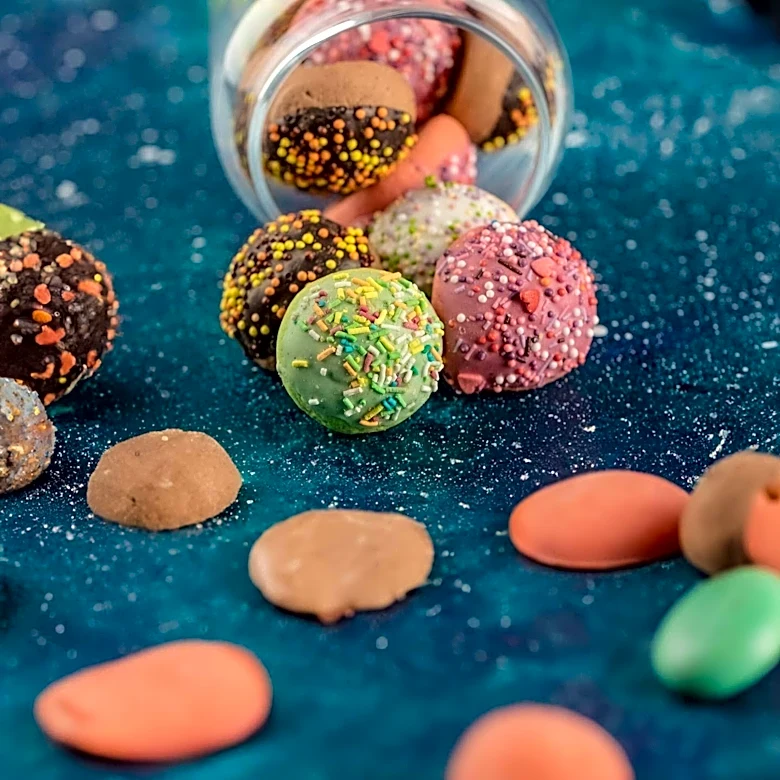
Scientists at Southern Illinois University (SIU) Carbondale, funded by NASA, have developed a method to create edible, protein-rich cookies from upcycled plastic bottles and plant waste. This innovative process uses specially designed yeasts to convert polyethylene terephthalate (PET) plastic and agricultural biomass into proteins, fats, and flavorings. The PET plastic is first broken down into carbon-rich molecules using an oxidative hydrothermal dissolution process, which involves water and oxygen at high temperature and pressure. These molecules are then fed to genetically programmed yeasts, which transform them into new biological molecules. The resulting mixture is combined with fiber, starch, and sweeteners, and then extruded through a 3D printer to form 'µBites' (microbites). While taste tests are pending institutional approval, the cookies have received high marks for aroma. This research is part of NASA's Deep Space Food Challenge, aiming to create sustainable food sources for astronauts on long-d...