Rising Temperatures in Georgia Extend Tick Season, Increasing Disease Risks
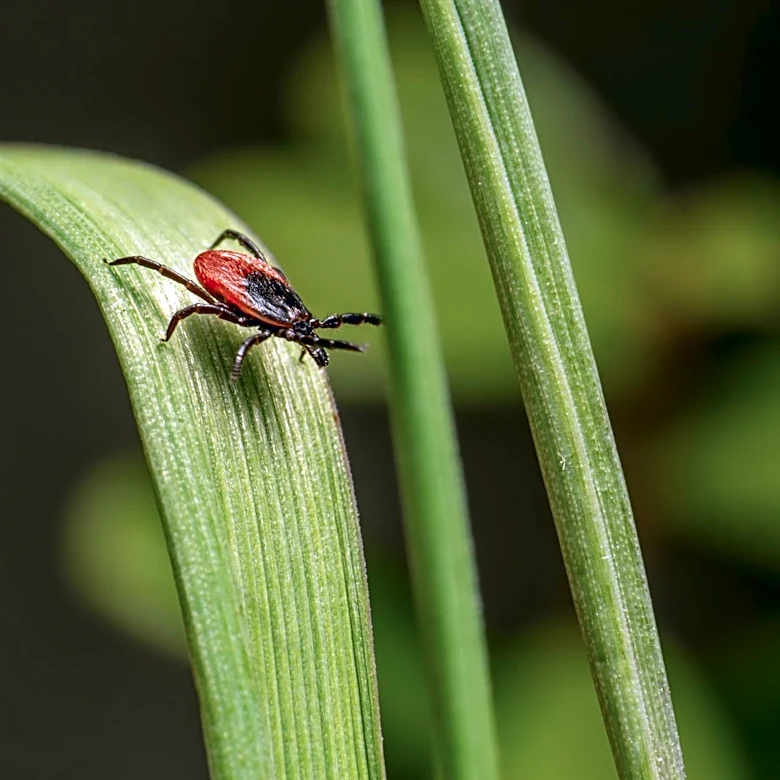
Rising temperatures in Georgia, attributed to climate change, are extending the active season for ticks, according to experts at the University of Georgia and Climate Central. This prolonged warm-weather period accelerates tick development and population growth, enabling ticks to become active earlier in the year and spread to previously cooler regions. Georgia is home to 23 tick species, with the Lone Star tick, American dog tick, and Black-legged tick most commonly affecting humans. These ticks are known to transmit diseases such as Rocky Mountain spotted fever and Lyme disease. The peak tick season typically spans from early spring to late fall, but cases of tick-borne illnesses have been reported year-round. Experts note that local weather conditions, such as rainfall and humidity, significantly influence tick activity. Public health officials are also monitoring emerging tick-borne diseases, including Babesiosis, Alpha-gal syndrome, and Powassan virus.