Korean Demilitarized Zone Becomes Unexpected Wildlife Haven Amidst Political Division
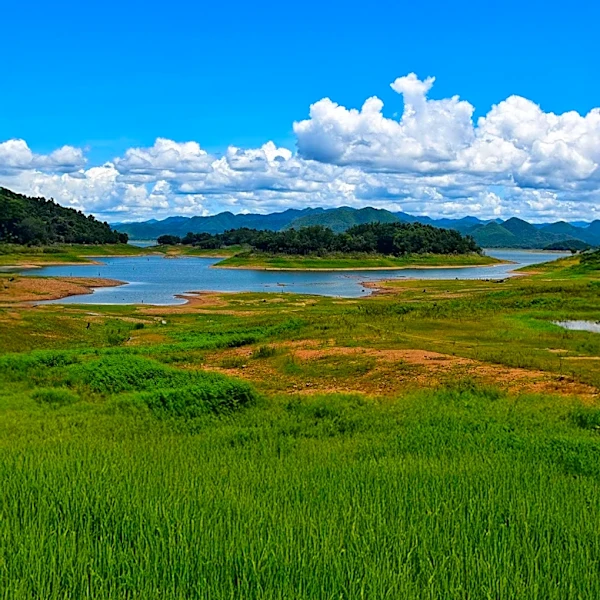
The Demilitarized Zone (DMZ) separating North and South Korea, established after the 1953 armistice of the Korean War, has inadvertently transformed into a significant wildlife sanctuary. Despite being one of the most heavily fortified borders globally, the severe restriction on human access for over 70 years has allowed nature to reclaim much of the 155-mile-long, 2.5-mile-wide strip of land. Surveys conducted in and around the DMZ have identified 6,168 species, including 102 of the Korean Peninsula’s 267 endangered species. This includes musk deer, leopard cats, Asiatic black bears, and seven of the world’s 15 crane species, such as the endangered red-crowned and white-naped cranes. The traditional rice paddies and marshes within the zone have become crucial stopping points for migratory birds, especially as wetlands disappear elsewhere in East Asia. While military activity, fires, and landmines still impact the landscape, the overall human isolation has fostered a unique environment for biodiversity to ...