Nuclear Energy Deserves Reconsideration Amidst Climate Concerns and Evolving Technology
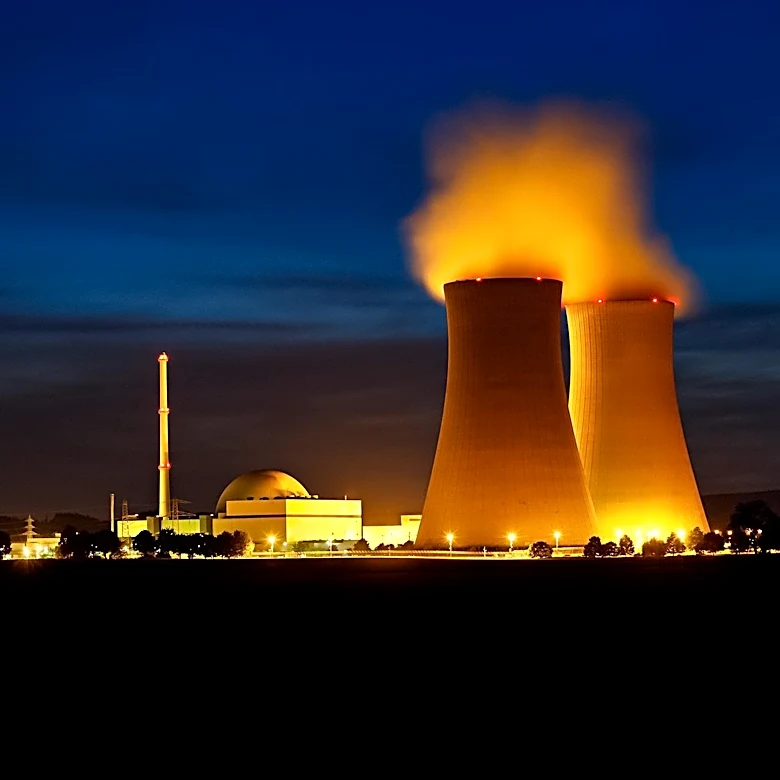
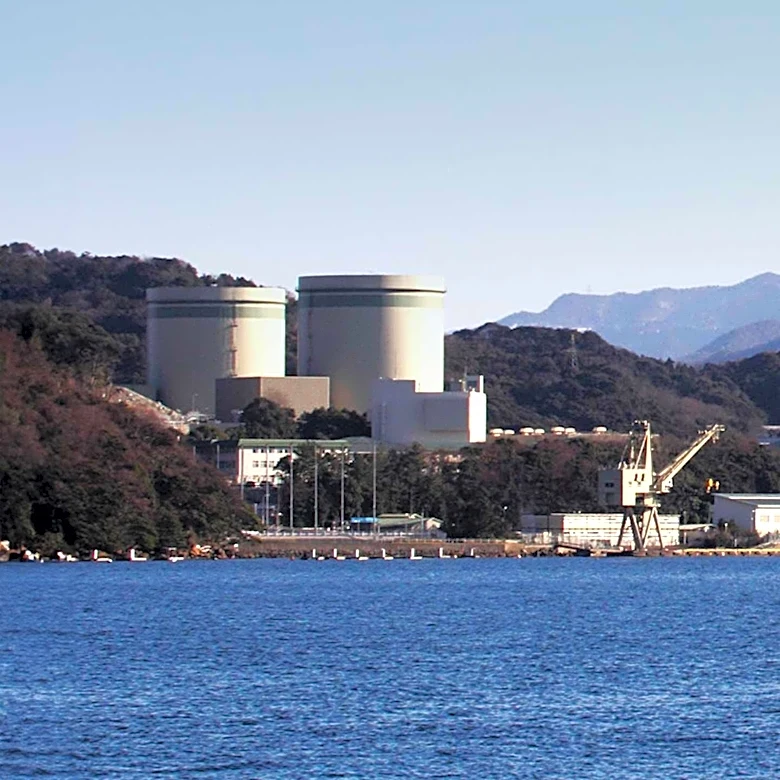
Nuclear energy, often viewed with mixed perceptions due to past disasters like Chernobyl and Fukushima, is being re-evaluated as a potential solution to climate change and growing electricity demands. The fundamental process of nuclear power involves controlled fission reactions to generate electricity, where nuclear energy produces heat, which then creates steam to drive a turbine connected to a generator. Different countries have developed various reactor designs, such as Canada's CANDU reactor and France's pressurized water reactors, demonstrating the evolution of nuclear technology. Modern nuclear power plants utilize complex engineering systems, including control rods, coolants, pressurizers, and containment structures, to ensure safety and control the fission chain reaction. Despite its high energy density and reliability—U.S. nuclear fleets had an average annual capacity factor of approximately 91% in 2025—concerns persist regarding safety, cost, and radioactive waste management. Newer reactor desig...