Canadian Engineers Utilize Dead Mosquito Mouthparts for Microscopic 3D Printing
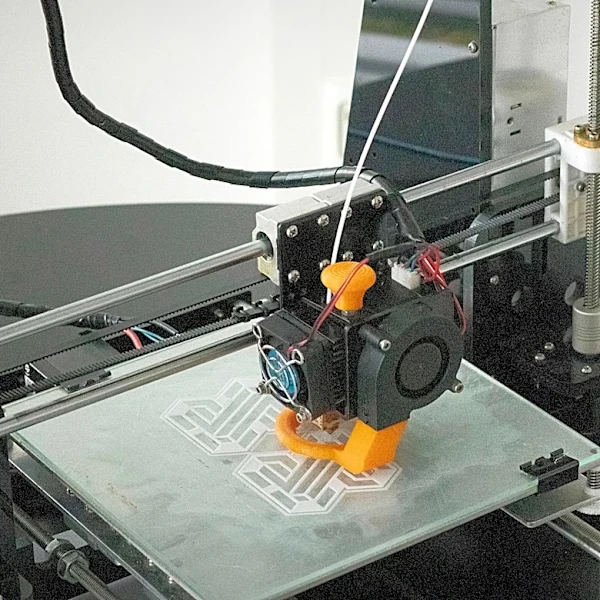
Canadian engineers have innovatively repurposed the mouthparts of dead mosquitoes to serve as tiny 3D printer nozzles, a development that earned them the Ig Nobel Technology Prize. This technique, termed 'necroprinting,' involves using the mosquito's proboscis—its needle-like mouthpart—to extrude ink and construct miniature structures layer by layer. The research, published in 'Science Advances,' demonstrated that these biological nozzles could produce lines approximately 18 to 28 micrometers wide. The mosquito proboscis was found to be incredibly small, relatively straight, and strong enough to withstand printing pressures of about 708 kilopascals before rupturing. Furthermore, these nozzles proved to be remarkably low-cost, less than 2 cents per mosquito, and could remain usable for at least nine days at room temperature or over a year when frozen. The engineers successfully printed various structures, including a honeycomb pattern and a maple leaf shape, and even created a scaffold containing living can...