Erratic Rainfall Patterns Impacting Agriculture in Northern Nigeria
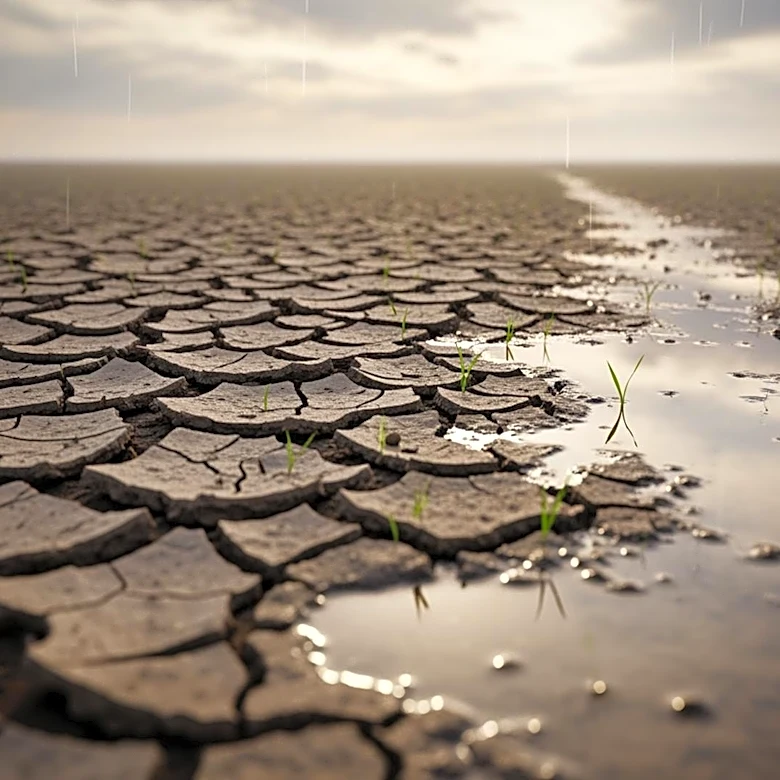
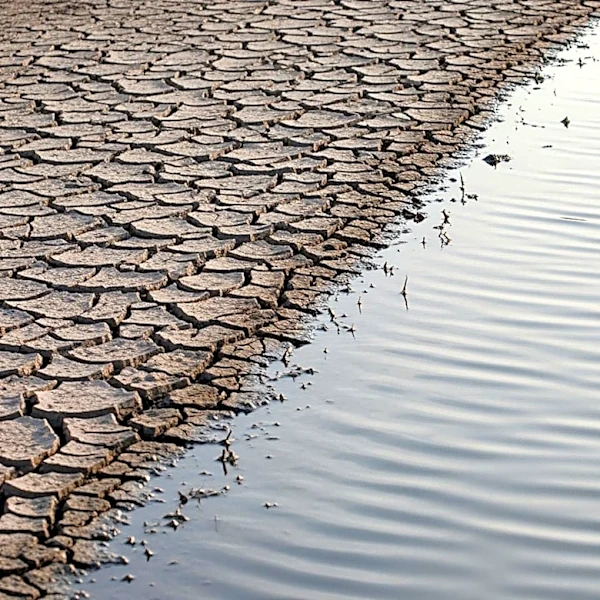
In Northern Nigeria, climate change is significantly affecting agricultural practices, leading to erratic rainfall patterns and reduced yields from once-fertile lands. Water sources are drying up, and traditional farming cycles have become unpredictable, causing farmers to face uncertainty regarding their harvests. This environmental stress is contributing to livelihood crises, which in turn exacerbate security issues as pastoralists from the Far North migrate to the Middle Belt, competing for land and resources. Organizations like the Women Environmental Programme are addressing these challenges by training rural farmers in climate-smart agricultural practices, such as soil conservation, water management, and crop diversification, to adapt to the changing environment and improve yields. These initiatives aim to build resilience and reduce the pressure points that lead to conflict.