University of Pennsylvania Researchers Identify Protein Target to Slow Parkinson's Disease Progression
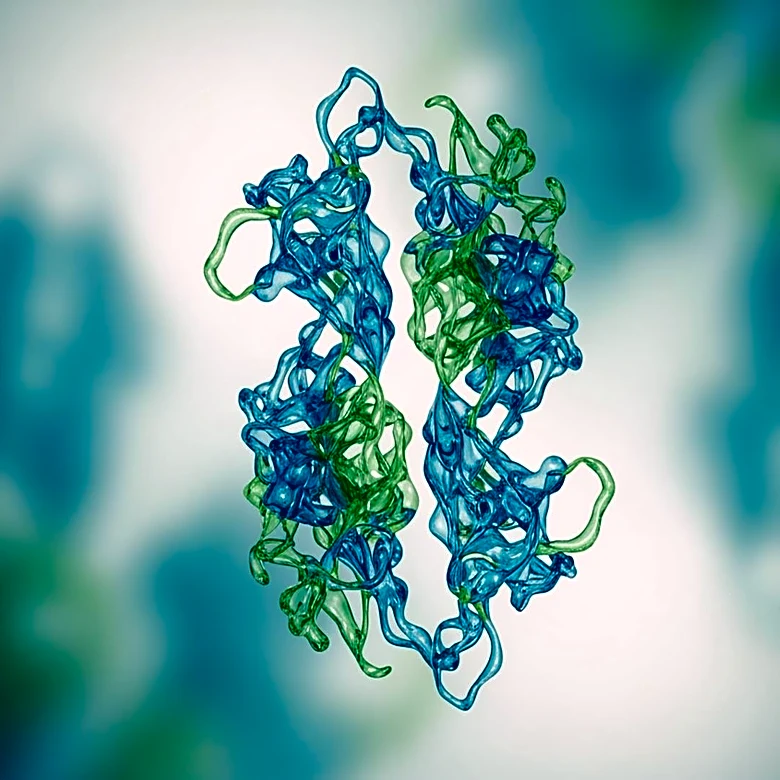
Researchers at the University of Pennsylvania have identified a protein, glycoprotein nonmetastatic melanoma B (GPNMB), as a potential target for slowing the progression of Parkinson's disease (PD). The study, published in Neuron, suggests that monoclonal antibodies can block GPNMB, which is involved in the spread of toxic alpha-synuclein clumps between neurons. These clumps are known to drive the progression of PD by causing neuronal dysfunction and death. The research highlights that microglia, the brain's immune cells, produce GPNMB, which accelerates the spread of alpha-synuclein pathology. By blocking GPNMB, scientists were able to interrupt this cycle in preclinical models, offering a potential path toward the first disease-modifying therapy for PD.