Forensic Science Flaws Lead to Wrongful Conviction in Brockton Arson-Murder Case
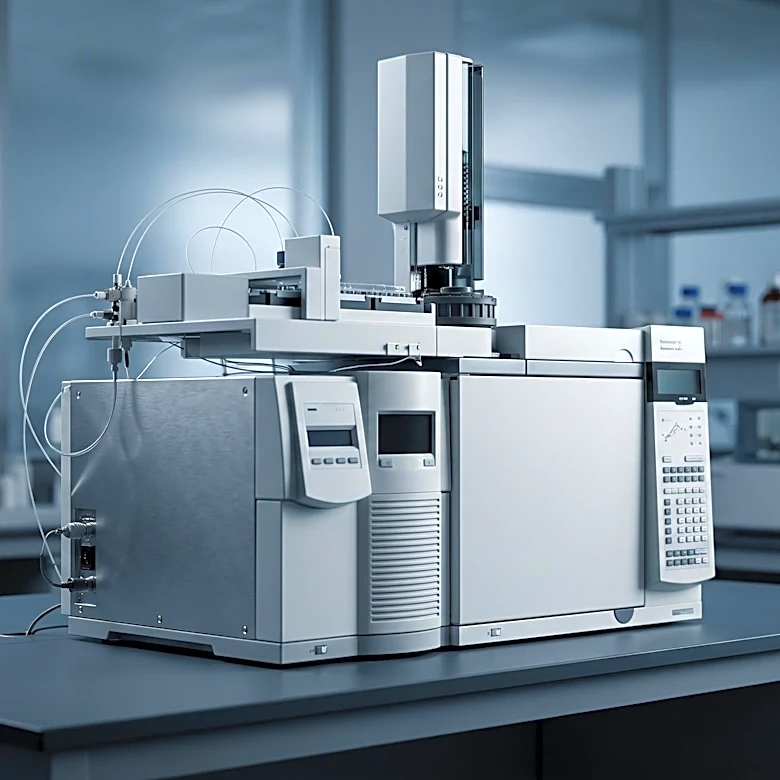
A Boston Globe investigation reveals how flawed forensic science contributed to the wrongful conviction of Frances Choy in a 2003 Brockton arson-murder case. The case involved a fire that killed her parents, Anne and Jimmy Choy. Initially, investigators suspected Kenneth Choy, Frances's cousin, due to incriminating evidence found in his room. However, an accelerant-sniffing dog alerted to Frances's sweatpants, leading to her interrogation and eventual conviction. The Massachusetts State Police Crime Lab, led by John Drugan, reported a 'gasoline residue' on Frances's sweatpants, a finding that was heavily emphasized by the prosecution. Subsequent analysis by independent forensic scientists, Eric Hazelrigg and Glen Jackson, concluded that the lab's data was too inconclusive to definitively identify gasoline, citing interference from pyrolysis and a lack of key chemical patterns required by forensic standards at the time. Frances Choy spent years in prison before her conviction was overturned in 2020 due to a...