New World Screwworm Detected in Texas Horse, Marking First Equine Case in Current U.S. Outbreak
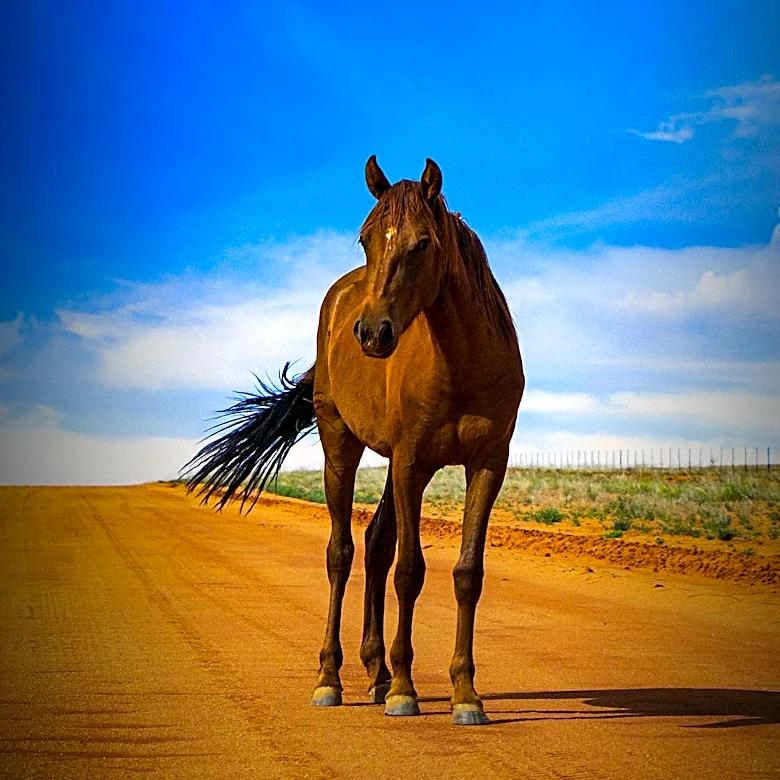
The New World screwworm (Cochliomyia hominivorax), a flesh-eating parasite, has been detected in a working ranch horse in Presidio County, Texas. This marks the first equine infection in the current U.S. outbreak, according to the U.S. Department of Agriculture and the U.S. Equestrian Federation. The larvae were found in a wound on the horse's hind leg. The New World screwworm was eradicated from the U.S. in the 1960s but reappeared earlier this year. Since June, there have been 49 screwworm cases in the U.S., primarily affecting cattle, goats, sheep, and dogs in South and West Texas. As of Monday, only two active cases remain: the infected horse and a dog in Crockett County. The female screwworm fly lays eggs in warm, wet orifices or open wounds, and the hatched larvae burrow into the animal to feed on living tissue. Early detection and reporting are crucial for eradication efforts, which include treating infected animals and releasing sterile flies to prevent self-sustaining populations.