U.S. Dams Hold Vast Water Reserves, Crucial for Drinking Water, Farmland, and Electricity
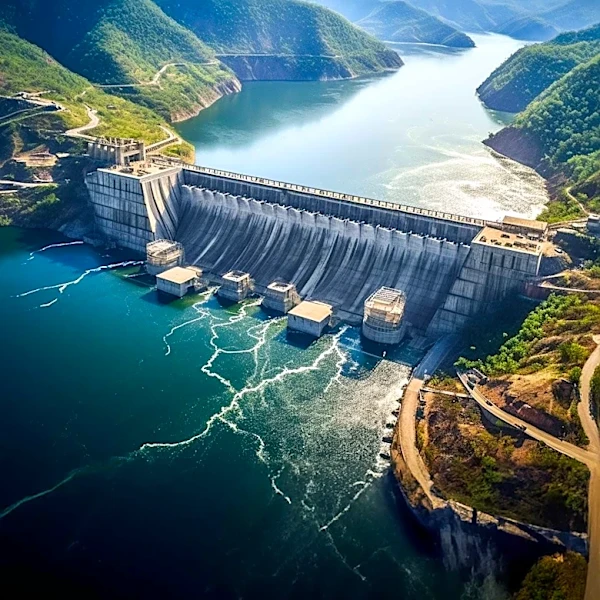
The United States relies on a network of massive dams and their reservoirs to supply drinking water, irrigate farmland, and generate electricity. The ten largest dams in the country, primarily constructed between the 1930s and 1970s, collectively have the capacity to store approximately 151.6 million acre-feet of water at their full designated pools. This volume is equivalent to nearly 49.4 trillion gallons. Lake Mead, behind the Hoover Dam, remains the largest reservoir with a capacity of 28,945,000 acre-feet, supplying water to 25 million people across Nevada, Arizona, and California. Other significant reservoirs include Lake Powell (Glen Canyon Dam), Lake Sakakawea (Garrison Dam), Lake Oahe (Oahe Dam), and Fort Peck Lake (Fort Peck Dam). These reservoirs are vital for various regions, with some, like Lake Cumberland, being the largest east of the Mississippi River. However, current water levels in many of these reservoirs can vary significantly due to factors like drought and water demand.