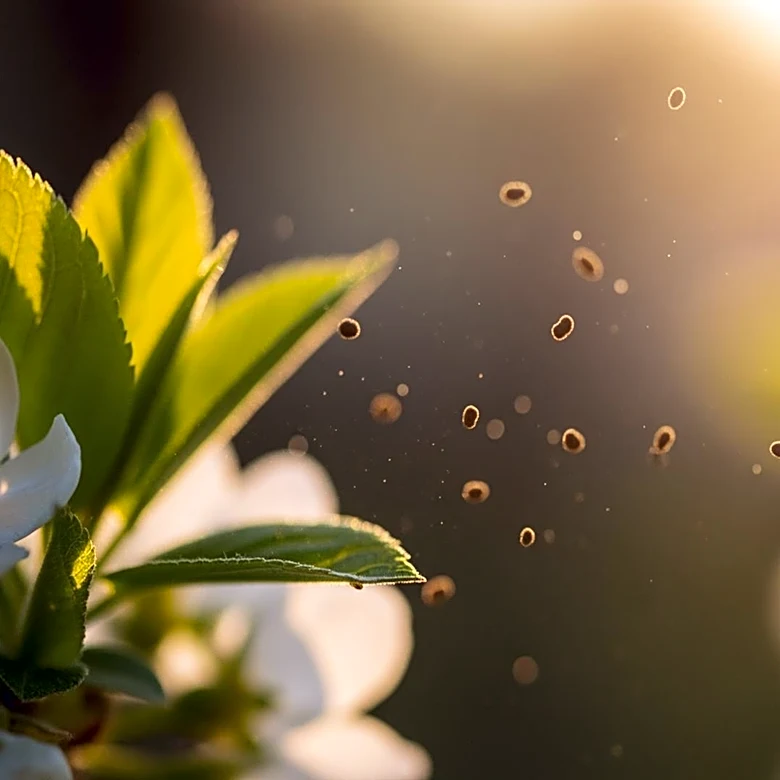
Longer Allergy Season Begins: Managing Symptoms Amid Rising Pollen Levels
The allergy season has commenced earlier this year, with experts noting that pollen seasons are becoming longer and more intense. According to Dr. Katelyn Jetelina from the Yale School of Public Health, warmer and shorter winters have extended the growing season for plants, causing them to release pollen earlier in the spring and later into the fall. This trend is attributed to global warming and an increase in extreme weather events, which have lengthened the pollen season in North America by 20 days since 1990. Seasonal allergies, also known as allergic rhinitis or hay fever, are triggered by tree pollen in the spring, grass pollen in the summer, and weed pollen in the fall. Approximately 26% of adults in the US and UK suffer from these allergies, with symptoms including itchy eyes, sneezing, and nasal congestion.