Colorado's Annual Tarantula Phenomenon Identified as Mating Expedition, Not Migration
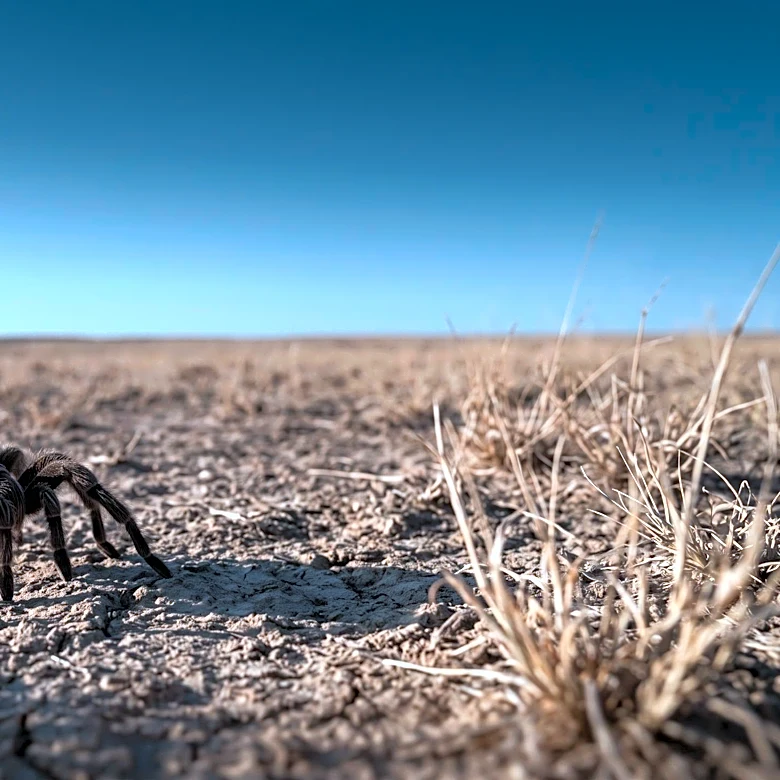
Every fall, the plains of southeast Colorado experience a notable natural event involving tarantulas, which is often mistakenly referred to as a migration. Scientists, however, clarify that this annual occurrence is, in fact, a mating expedition undertaken by male tarantulas. These large, dark brown to black spiders, belonging to the genus Aphonopelma, emerge from their burrows on the Comanche National Grassland to search for mates. The Comanche National Grassland spans over 443,000 acres, providing an ideal habitat for female tarantulas, who typically remain in their burrows for up to 25 years. Male tarantulas, reaching maturity between 8 to 10 years old, are the primary participants in this seasonal quest, often traveling over a mile in their search. The peak viewing period for this event is from mid-September through October, sometimes extending into November, with most sightings occurring an hour before sunset.