U.S. Lakes Face Ecological Risks Amid Drought and Warming Temperatures
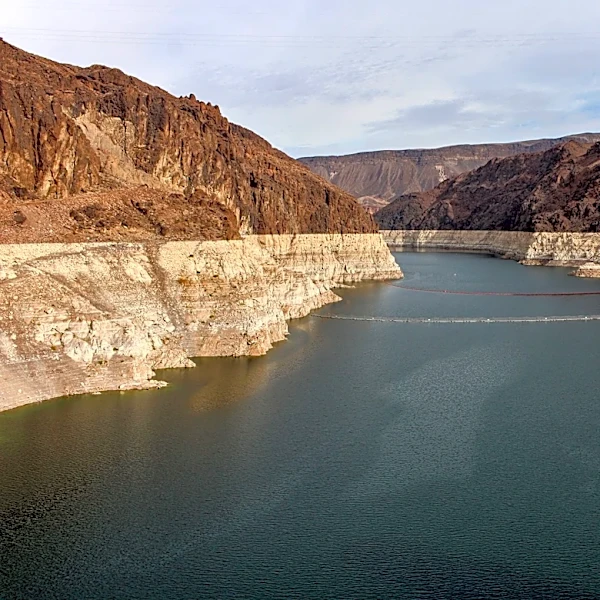
A recent mass fish die-off at Arizona's San Carlos Lake has highlighted the growing ecological risks facing U.S. lakes due to drought, warming temperatures, and water management challenges. According to the San Carlos Recreation and Wildlife Department, the incident was caused by prolonged drought and rapid water releases, which depleted oxygen levels and killed nearly all fish in the lake. Similar conditions are threatening other major water systems, including the Colorado River reservoirs, Lake Mead and Lake Powell, which are experiencing historic low water levels. The Great Salt Lake in Utah is also nearing ecological collapse due to rising salinity, while Lake Erie faces recurring toxic algal blooms fueled by nutrient pollution and warming waters. These issues are part of a broader trend of declining lake health across the U.S., with nearly half of the nation's lakes showing signs of nutrient pollution and degraded conditions, according to the Environmental Protection Agency (EPA).