Wearable Light Sensors: Impact of Wear Position on Dosimeter Performance and Personal Light Exposure
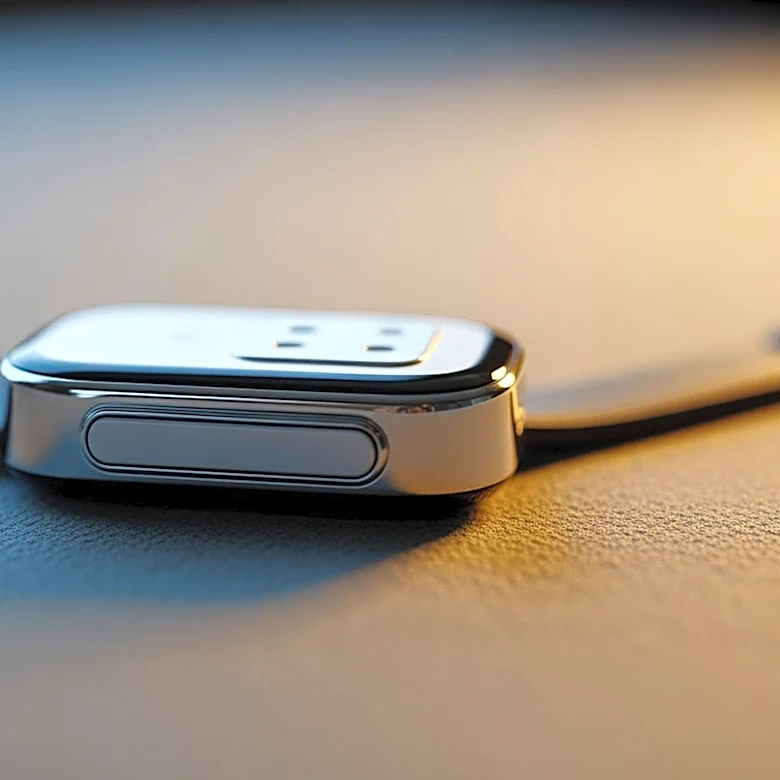
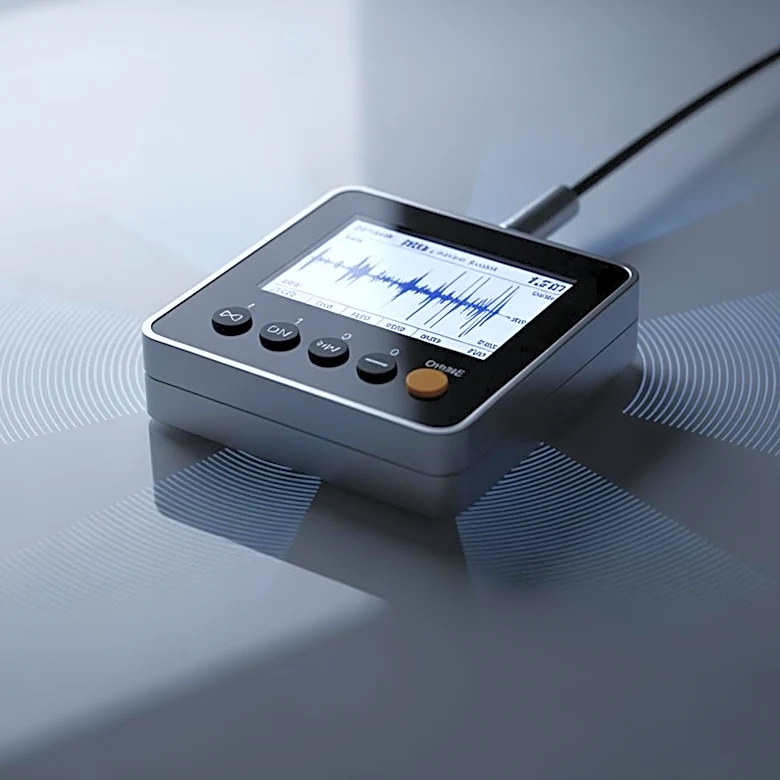
Recent research has highlighted the importance of wearable light sensors, known as dosimeters, in measuring personal light exposure (PLE) and its effects on human health and well-being. These devices are crucial for understanding the non-image-forming (NIF) effects of light, which include impacts on alertness, sleep, and mood. The study explores how the placement of dosimeters on the body affects their performance, with a focus on the differences between wrist-worn and chest-worn devices. The research indicates that chest-worn dosimeters generally provide a better approximation of eye-level light exposure compared to wrist-worn devices. This is due to factors such as translational dosimeter displacement (TDD), rotational dosimeter displacement (RDD), and body self-occlusion (BSO), which affect the accuracy of light measurements.