Washington University Researchers Engineer Hookworm to Deliver Antitoxin in Hosts
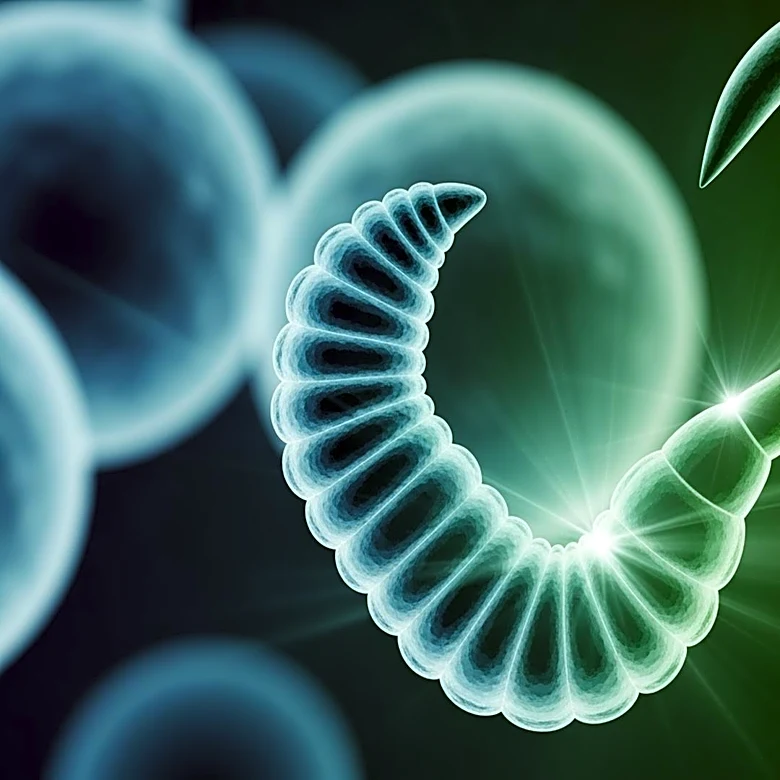
Researchers at Washington University School of Medicine in St. Louis have successfully genetically modified the human hookworm, Ancylostoma ceylanicum, to produce an antibody that neutralizes tetrodotoxin (TTX), a deadly neurotoxin. Led by Makedonka Mitreva, PhD, the team demonstrated that these modified hookworms can colonize an animal host and secrete the antitoxin into the bloodstream, partially inactivating the toxin. This breakthrough suggests a potential long-term solution for continuous treatment of chronic conditions or toxin exposure in remote areas. The study, published in Nature Communications, highlights the hookworm's ability to survive in the human gut for years, making it a viable platform for drug production and delivery.