U.S. Economic Indicators Show Rising Consumer Stress Amidst Inflation and Potential Federal Reserve Rate Hikes
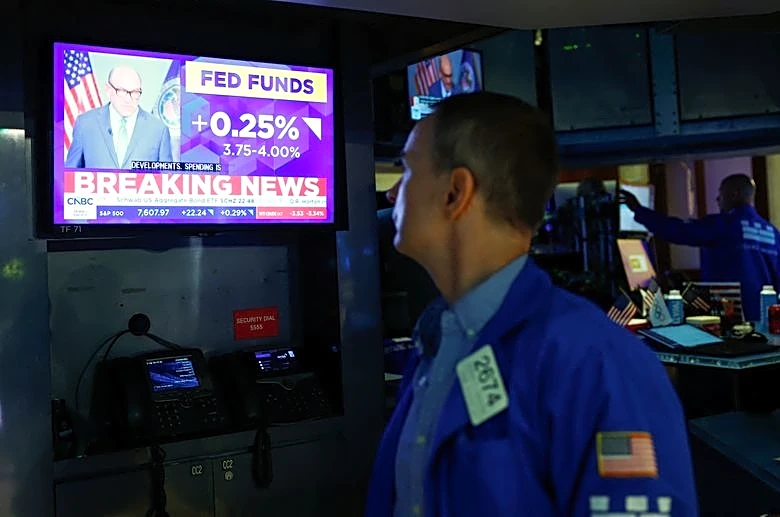
Recent economic data in the U.S. indicates a complex financial landscape where traditional recession signals like lower output and higher unemployment are not yet prominent. However, underlying factors suggest increasing consumer vulnerability. Non-mortgage personal interest payments are approaching levels seen before previous recessions, currently at 2.5% of disposable income, close to the 2.8% threshold. This burden has remained flat despite recent Federal Reserve rate cuts, implying consumers are already highly leveraged. Households are increasingly relying on credit to maintain spending, with revolving credit utilization rising 4% year-over-year. Private-sector wage growth has not kept pace with inflation, leading to negative real wage growth, which impacts consumer spending. While disposable personal income has grown, this growth is uneven, with high earners benefiting from rising interest income while lower and middle-income households face real wage declines. Delinquency rates have normalized, and a...