Seasonal Rhythms in Human Immune Response May Impact Vaccine Effectiveness
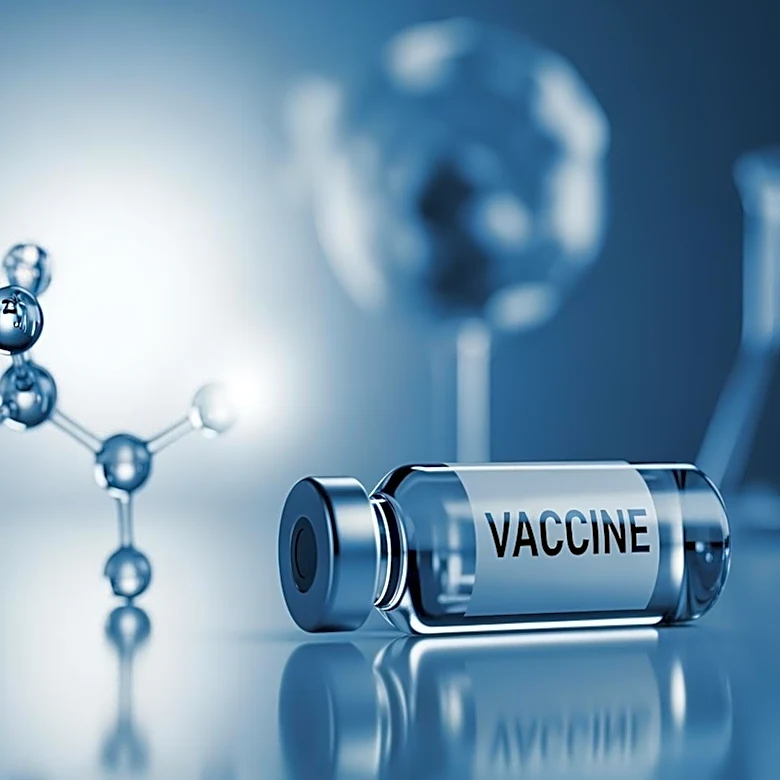
Recent research highlights that human immune function exhibits seasonal rhythms, potentially influencing vaccine responses. A study led by Laura Barrero Guevara at New York University analyzed data from 96 randomized-controlled trials involving approximately 48,000 children vaccinated against 14 infections, including measles and polio. The findings suggest that immune responses to vaccines are stronger during winter in temperate regions, likely influenced by seasonal changes in day length. In tropical regions, immune responses showed less predictable seasonal patterns, varying by vaccine type. This research builds on earlier studies indicating seasonal fluctuations in immune activity, hormone levels, and gene expression. While the exact mechanisms remain unclear, hypotheses include photoperiodic cues and other environmental factors. Experts caution that while these findings are intriguing, they do not yet justify altering vaccination schedules based on seasonality.