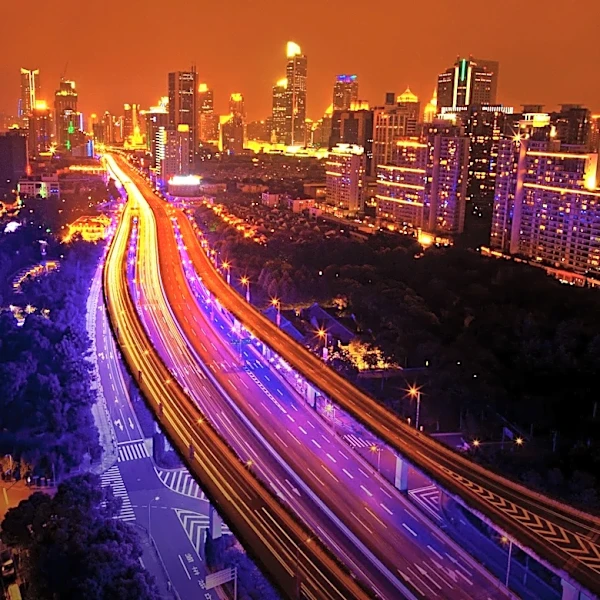
Light Pollution Linked to Mental Health Concerns in U.S. and Europe
Scientists are increasingly recognizing light pollution as a public health issue, with neuroscientists beginning to understand its impact on mental health. A significant portion of the population in the United States and Europe lives under skies too bright to experience true darkness, a condition that researchers are now treating as a measurable variable in mental well-being. A 2016 atlas of the world's artificial night sky brightness revealed that 99% of people in the U.S. and Europe reside in areas where the night sky is permanently illuminated. This pervasive light has led to a situation where approximately four out of five people in North America can no longer see the Milky Way from their homes. Research, such as a study led by Diana Paksarian at the National Institute of Mental Health, has identified a meaningful link between outdoor artificial light at night and sleep and mental health patterns in American adolescents. This suggests that the physical environment, specifically light exposure, plays a ...