Hungarian Pengő Hyperinflation in 1945-1946 Led to Extreme Currency Devaluation
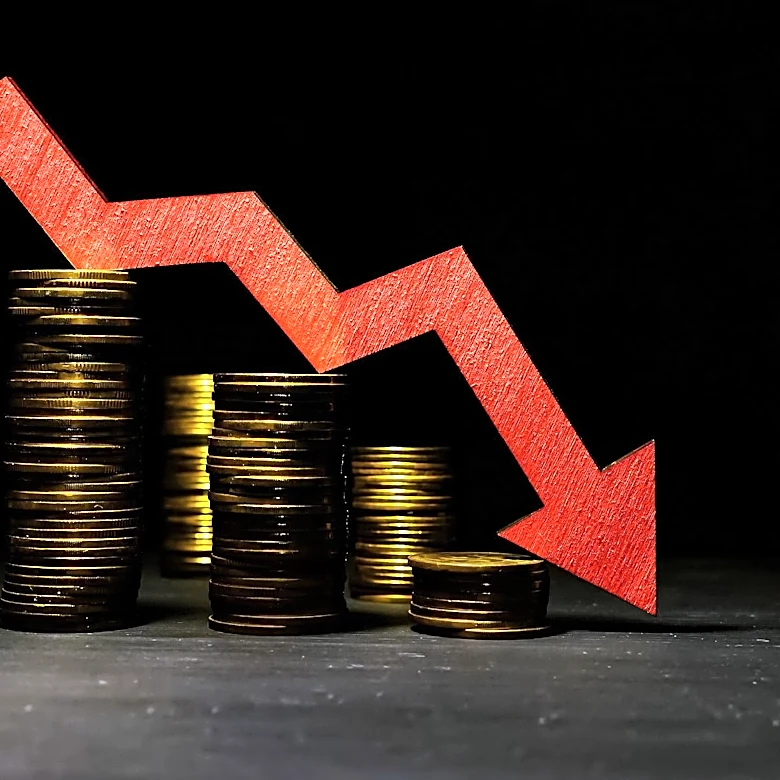
Hungary experienced a severe hyperinflationary period between 1945 and 1946, leading to the dramatic devaluation of its currency, the pengő. During this crisis, ordinary pengő denominations quickly became impractical for daily transactions. Authorities responded by issuing banknotes with increasingly massive face values, eventually introducing abbreviated accounting units such as milpengő and B.-pengő. The progression of denominations was so rapid that notes valued in millions of B.-pengő were required for transactions that previously involved much smaller sums. For instance, a 10,000,000 B.-Pengő banknote, issued in June 1946, represented an astonishing 10 quintillion pengő (10^19 pengő). This period of monetary collapse is considered one of the most severe in the 20th century. The crisis concluded in August 1946 with the introduction of the Hungarian forint, which replaced the virtually worthless pengő and marked the beginning of a new monetary era for Hungary.