Arctic Sea Ice Thinning Rapidly, Posing Global Climate and Economic Challenges
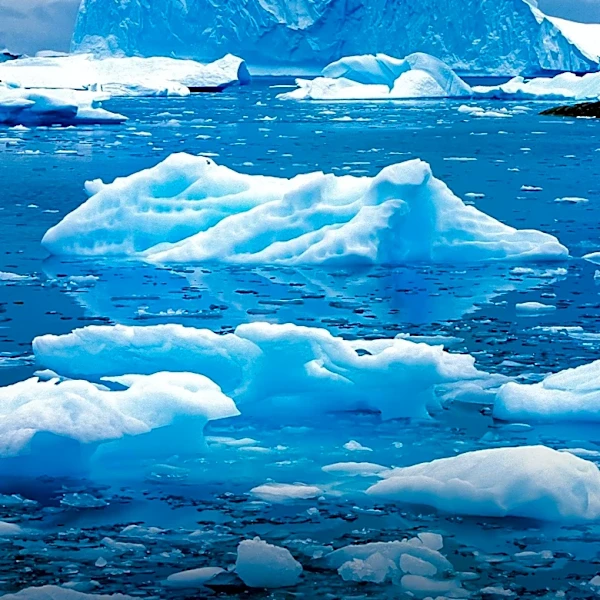
The Arctic is experiencing a dramatic and rapid thinning of its sea ice, with summer sea ice having declined by over 40% since satellite records began. This phenomenon is leading to a 'new Arctic' where the once permanently frozen central region is now becoming seasonally ice-free, potentially as early as 2035. Scientists from NASA and other research institutions are conducting extensive studies, using flying laboratories and advanced instruments, to understand the forces behind this disappearance. They have observed significant changes, such as a 'dark wedge' of open water advancing towards the North Pole, indicating the ice's weakening. This thinner, more fragile ice is more susceptible to melting and breaking apart due to wind and storms. The Arctic is warming three times faster than the rest of the planet, causing ice to form later in autumn and melt earlier in spring, resulting in longer open water seasons. This shift is profoundly impacting polar ecosystems and has broader implications for global cli...