Wildfire Smoke Causes Hazardous Air Quality Across U.S.
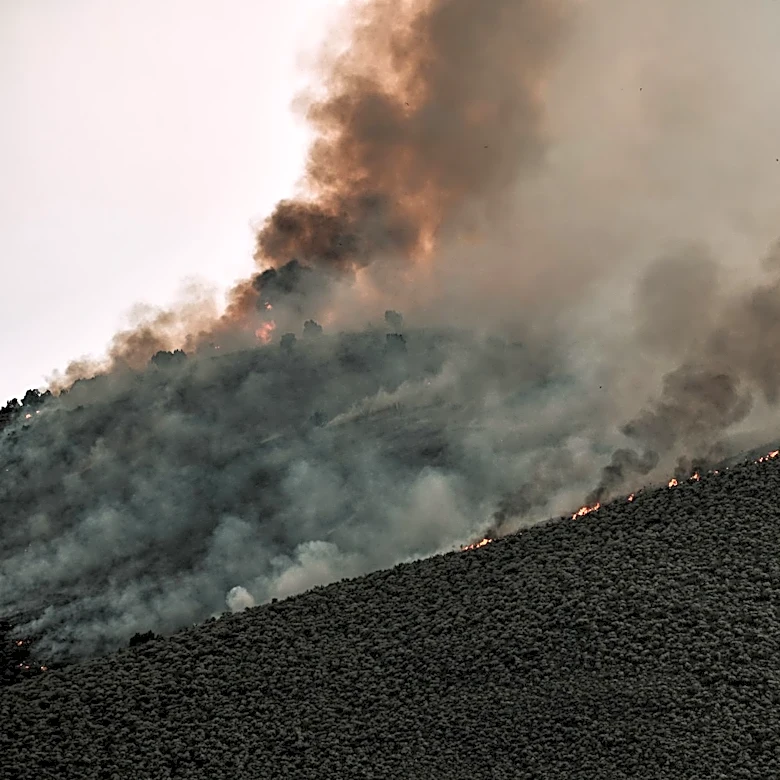
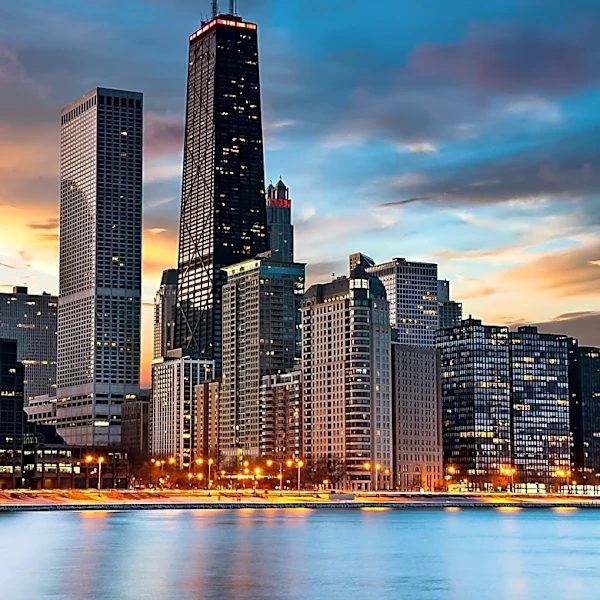
Smoke from widespread wildfires has led to historically poor air quality across the United States, with cities like Chicago, Detroit, Milwaukee, and Toledo experiencing their highest levels of particulate pollution in two decades. Over 100 million Americans across at least 20 states have been affected, with skies turning yellow and hazy. The Air Quality Index (AQI), a tool designed to measure air pollution, has been widely used to communicate the risks of exposure to smoke. However, experts argue that the AQI system, which was developed 50 years ago, has limitations in its accuracy and relevance for public health. The index measures five pollutants, but its single-number reporting system can sometimes misrepresent the actual health risks, especially in areas with fewer air-quality sensors. As wildfires become more frequent and intense due to climate change, experts suggest that the AQI system may need significant updates to better serve the public [The Atlantic, 2026-07-24].