Prebiotics Defined as Dietary Fibers Supporting Gut Bacteria Growth and Activity
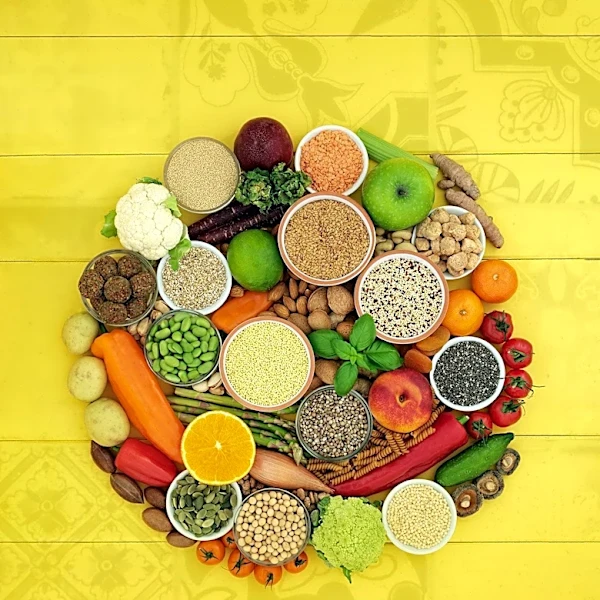
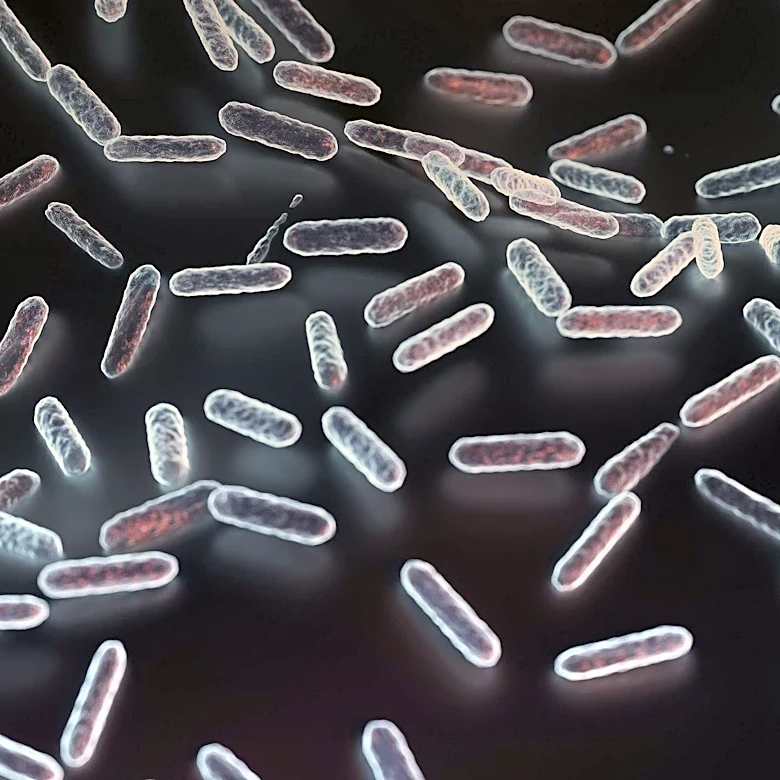
Prebiotics are dietary fibers that serve as nourishment for beneficial gut bacteria, promoting their growth and activity. Unlike probiotics, which introduce live beneficial bacteria, prebiotics are non-digestible food ingredients that are selectively fermented by microorganisms in the gut. This fermentation process produces short-chain fatty acids, such as butyrate, which are crucial for maintaining colon health. Common sources of prebiotics include inulin, fructooligosaccharides, and fibers found in foods like onions, garlic, asparagus, legumes, and bananas. The scientific definitions, as reviewed by the NIH, clearly distinguish prebiotics as selectively fermented ingredients that alter the composition or activity of gut microbiota, from probiotics, which are live microorganisms conferring health benefits. The industry is increasingly focusing on developing scientifically designed combinations of prebiotics and probiotics, known as synbiotics, to optimize gut health by ensuring the prebiotic substrate is ...