High Pollen Levels Disrupt Sleep for Allergy Sufferers in the U.S.
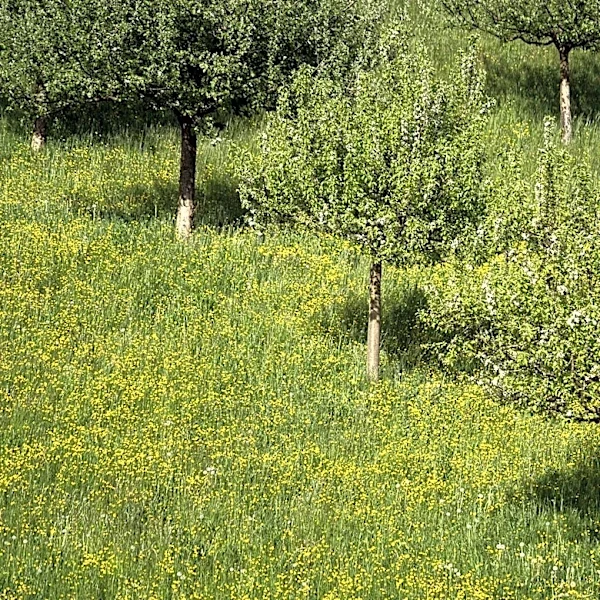
Seasonal allergies are affecting a significant portion of the U.S. population, particularly during the spring and early summer months when tree and grass pollen levels peak. According to Dr. Timothy Craig, a professor of allergy and immunology at Pennsylvania State University, nasal congestion caused by pollen can disrupt sleep, leaving many allergy sufferers feeling fatigued during the day. The congestion occurs when pollen gets trapped in the nasal passages, causing inflammation and stuffiness. This can lead to frequent interruptions in sleep and force individuals to breathe through their mouths, which is less efficient for oxygen delivery. Dr. Peter Hwang, an ear, nose, and throat specialist at Stanford, emphasized that these disruptions can significantly compromise sleep quality. Climate change is exacerbating the issue by extending the duration and intensity of allergy seasons, with some areas now experiencing year-round allergies.