Industrial Revolution Transformed Global Work and Trade with Mechanized Production and Steamships
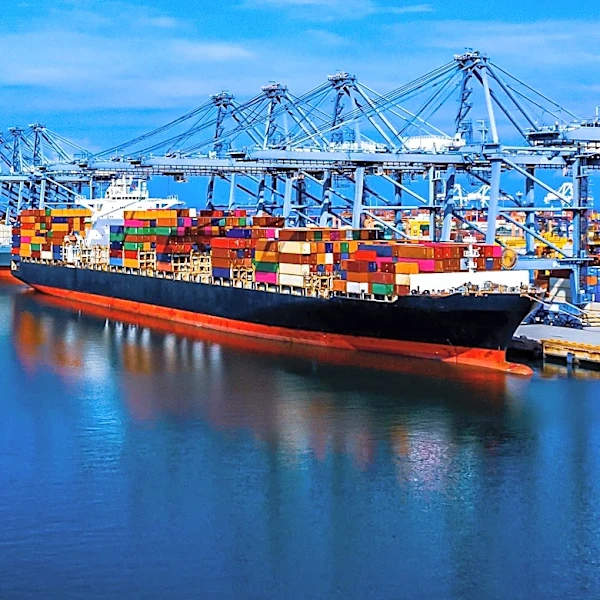
The Industrial Revolution, spanning approximately 1760 to 1914 CE, fundamentally reshaped work, cities, and global trade through the introduction of mechanized production, fossil energy, factories, railways, and steamships. This transformative period began in Britain and subsequently spread unevenly across the globe. Key developments included the widespread adoption of steam power, which initially powered stationary engines in mines and factories before the advent of steam locomotives. The revolution led to a significant increase in wealth and mobility, but also intensified exploitation, empire-building, pollution, and class conflict. The c. 1760–1914 timeframe is a teaching convention, acknowledging that industrialization progressed at different rates and in various forms worldwide, with agriculture and hand production continuing alongside factory systems.