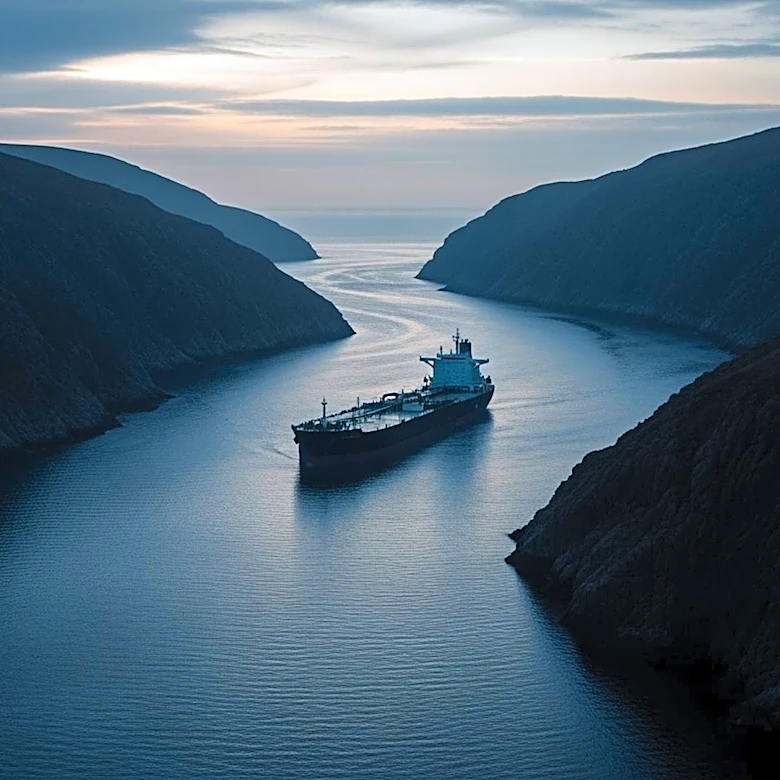
Iran's Closure of Strait of Hormuz Disrupts Global Energy Supply
In February 2026, Iran closed the Strait of Hormuz, a critical chokepoint for global oil and gas supplies, causing significant disruptions. This move halted the flow of about 20 million barrels of oil per day and affected one-fifth of the global liquefied natural gas trade. The closure also stranded a third of international fertilizer trade and blocked a significant portion of global helium production. Oil prices surged above $115 per barrel, and urea prices increased by 50%. The International Energy Agency described this as the largest supply disruption in the history of the global oil market. Despite the immediate strategic gains for Iran, the move has prompted countries like Japan, South Korea, and France to negotiate directly with Tehran for safe passage, highlighting Iran's temporary leverage.