U.S. Housing Affordability Reaches Near-Crisis Levels, Market 'Frozen' by High Rates and Low Supply
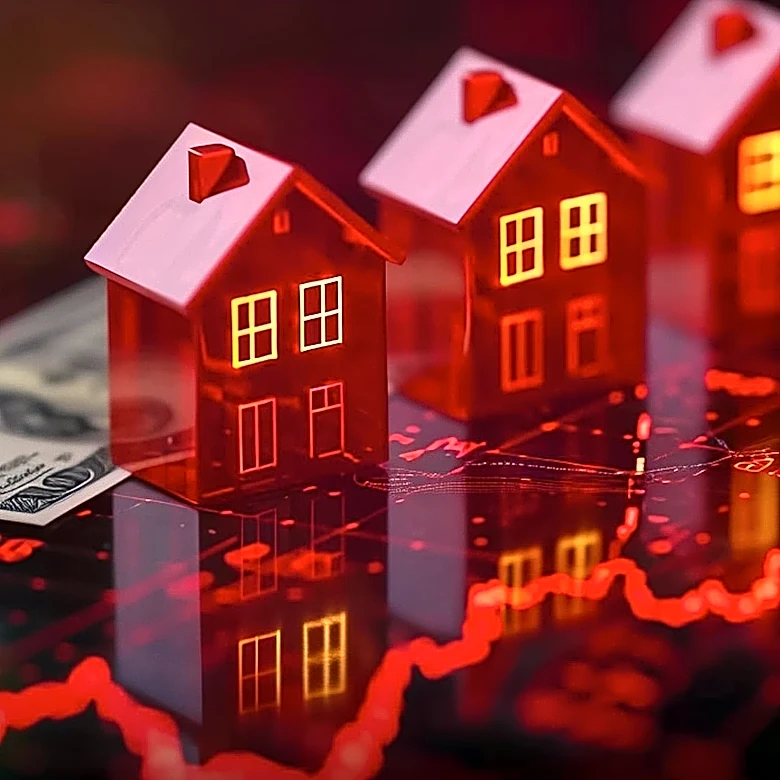
U.S. housing affordability is currently at one of its worst levels since the global financial crisis, with the market described as 'frozen' by J.P. Morgan analysts. This situation is primarily driven by persistently high mortgage rates, a significant shortage of available homes, and stagnant income growth. John Sim, Head of Securitized Products Research at J.P. Morgan, noted that the cost for a renter to purchase a median-priced home now consumes approximately 50% of the median income, a stark contrast to the 20% to 25% for existing mortgage holders with lower rates. Mortgage purchase applications have plummeted to their lowest point since 1995, representing a 50% drop from their peak during the pandemic. The typical monthly mortgage payment, including taxes and insurance, stands at about $2,800, consuming roughly 38% of a typical household's gross income. Additionally, the U.S. faces a structural shortage of about 1.2 million homes, with the deficit particularly acute in the Northeast and Middle America.