17th-Century Mughal Astrolabe Poised to Break Auction Records at Sotheby’s
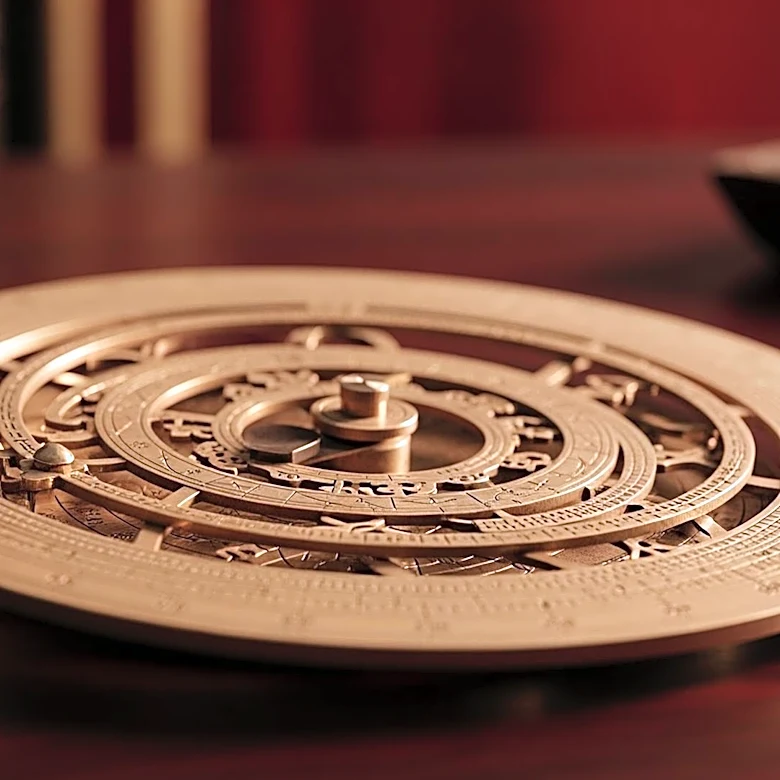
A 17th-century astrolabe, crafted in Lahore in 1612, is set to be auctioned at Sotheby’s London on April 29. This historical piece, weighing nearly 20 pounds and with a diameter comparable to a large cooking pot, is expected to fetch between £1.5 million and £2.5 million ($2 million to $3.4 million). The astrolabe, a sophisticated brass instrument used for astronomical calculations, was made by Qa’im Muhammad and Muhammad Muqim, brothers from a renowned family workshop. It is one of only two known astrolabes by these craftsmen, with the other housed in the National Museum of Iraq. The piece was commissioned by Aqa Afzal, a prominent figure in the Mughal empire, and later owned by the last ruling king of Jaipur, Maharaja Sawai Man Singh II.